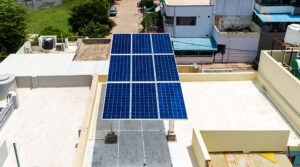


Every unit your rooftop solar makes is a unit you don’t buy from the grid. But how many units you need to make is where most buyers go wrong. Before you get stuck on the pricing, it’s crucial to know a few things before buying rooftop solar. Before you buy anything, these are the 4 numbers you actually need:
- Your average monthly electricity consumption
- The system size (in kW) that actually fits your usage
- Your cost-per-kW benchmark, to judge any quote fairly
- Your expected payback period
This blog breaks down exactly how to work out each one. These are among the most important things to know before buying solar panels, and they apply no matter which installer or brand you eventually choose. They’re about understanding your own home first, before you let anyone else tell you what you need.
Why Most Solar Buying Mistakes Happen Before the Quote Even Arrives
Most solar buying decisions go wrong because you never worked out your own numbers first. You must know your monthly electricity consumption, the latest panel technologies, system components and compatibility, warranties, and your roof’s compatibility.
- Electricity consumption: If you don’t know your electricity consumption, you end up trusting whatever system size the vendor recommends. They might oversize it to inflate the bill, or undersize it so it looks cheaper upfront.
- Panel technology and components: You can’t tell if you’re getting outdated, lower-efficiency panels at a premium price or panels with high efficiency. You should be aware of the latest panel technology to get optimal benefits.
- System component and compatibility: You risk signing up for a system that doesn’t actually fit your roof’s structure, shading, or orientation, leading to lower output than promised. Also, you must check whether the inverter and mounting structure quoted are actually worth what you’re paying for.
- Warranties: If the panels underperform or something breaks down a few years after installation, you have no written terms to hold the installer to, and have to pay out of pocket for what should’ve been covered. You must ask for product and performance warranties from the installer.
Things to Know Before Buying Solar Panels
By the time most homeowners realise something’s off, they’ve already signed the solar quote. Here are the four numbers to nail down first, before any of that happens.
Number 1: Your Average Monthly Electricity Consumption
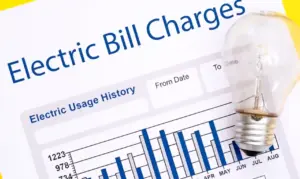
The average monthly electricity consumption is the number of units (in kWh) you use every month on average. You’ll find it directly on your electricity bill.
Your system size should match your actual usage, not your roof size, and definitely not a vendor’s generic recommendation. If a vendor quotes you a system size before even asking about your consumption, that’s a sign they’ve skipped the one step that actually matters.
Calculating average monthly electricity consumption:
To calculate the average monthly electricity consumption, you need to gather your last 6-12 months of electricity bills and average them out. This matters because your consumption is not constant throughout the year. The summer AC load pushes it up, while winter months tend to run lower. A single month’s bill gives you a skewed picture.
Common mistake to avoid:
A lot of homeowners size their system based on their highest-ever bill, usually a peak summer month, and end up overpaying for capacity they don’t need most of the year. Some of you size off your lowest bill, ending up with a system too small to make a real dent in your costs. Neither extreme gives you the right number. The honest average is what you want.
Once you know your electricity consumption, you’re no longer taking a vendor’s word for it. If someone recommends a system size that doesn’t match your actual consumption, you have the grounds to ask why, instead of just nodding along.
Number 2: The System Size You Actually Need (kW)
Your solar panel size should come directly from your consumption number, not the other way around. A good installer sizes the system to match your usage, not your usage to match whatever system they’re trying to sell you. Your system size depends on three things working together:
- Your consumption
- The available roof space
- Sunlight your city gets through the year
Two homes with identical electricity bills in different cities might need slightly different system sizes because of this.
Shadow-free roof space
You need to measure how much shadow-free roof space you actually have. As a rule of thumb, budget around 100 square feet for every 1 kW of solar capacity. You can match that against your monthly electricity usage and calculate the right solar panel size accordingly.
Common sizing mistakes
Oversizing your solar system means you end up paying for capacity you may never use. This also stretches your payback period for no real benefit. Undersizing your system means your electricity bill will remain high, with lower savings than you expected.
A proper site visit and load assessment is what confirms this number accurately. An online solar panel savings calculator can give you a rough starting estimate, but it can’t account for your actual roof shape, shading from nearby trees or buildings, or your real consumption pattern.
Number 3: Cost Per kW (Your Benchmark for Comparing Quotes)
Knowing cost per kW lets you compare quotes from different vendors fairly, even when the total prices look completely different.
The cost per KW price for DCR (Domestic Content Requirement) TOPCon panels is between ₹21 and ₹24 per watt, whereas for non-DCR TOPCon panels, it is ~₹18 per watt
Please note: The per-watt TOPCon solar panel price listed above is an indicative range and can change based on the number of modules you order and the brand you choose.
What overall figure should actually include
The overall system cost covers panels, inverter, mounting structure, wiring, installation, and net metering charges. If a quote looks unusually cheap, check what’s missing. Some vendors quote a lower number by excluding structure or net metering costs, only for those to show up later as additional charges.
Number 4: Expected Payback Period
Solar payback period tells you how long it takes for your savings to equal what you spent. A rooftop solar system can lower your electricity bill by 90% for more than 25 years, but you may recover the overall installation cost in 3-5 years. This recovery period is the payback period.
Your actual payback period can vary depending on things like installation cost, system size, how much power you generate, your electricity tariff, subsidy amount, financing cost, how much you consume, and your local net-metering rules. That’s why two households with near-identical solar systems can recover their investment at completely different speeds.
And once that payback period is behind you, your panels don’t just stop. They keep generating electricity for decades after, though you’ll still have some small maintenance costs and grid charges along the way.
How These 4 Numbers Work Together
These 4 numbers aren’t separate checks; they’re a chain. Your consumption determines your system size. Your system size determines your cost. Your cost, together with your monthly savings, determines your payback period.
Here’s a quick example. Consider a 3kW rooftop solar system that costs ~₹2.50 lakh. The customer pays the complete system price and later receives a subsidy of ₹ 78,000.
The table below shows how the investment, savings, and return are calculated over 10 years.
| Calculation Component | Amount or Calculation |
| Total system cost* | ₹2,50,000 |
| Government subsidy | ₹ 78,000 |
| Net investment | ₹2,50,000 − ₹ 78,000 = ₹1,72,000 |
| Annual electricity bill savings* | ~₹36,000 |
| Estimated payback period | ₹1,72,000 ÷ ₹36,000 ≈ 4.78 years |
Disclaimer*: Please note that the total system cost and electricity bill savings are taken as examples, so do not treat them as actual values. The overall system cost depends on your city, DISCOM charges, product variant opted for, panel type, inverter type, mounting structure height, type of after-sales service, savings guarantee, roof height, etc.
The actual net electricity savings depend on the value of solar electricity used at home, the value of exported electricity, and annual maintenance and recurring charges.
What These Numbers Won’t Tell You
A few other things are still worth checking before you go with any quote:
- Whether the equipment is BIS (Bureau of Indian Standards) and ALMM (Approved List of Models and Manufacturers)-certified
- What the actual warranty terms look like in writing
- Installer’s track record
- What after-sales support actually includes.
Conclusion
Before you start comparing vendors, know your consumption, your required system size, your cost-per-kW benchmark, and your expected payback. These 4 numbers turn a confusing, inconsistent shopping process into something you can actually compare apples to apples.
You can get a free site assessment from SolarSquare to get these exact 4 numbers calculated for your own home before deciding. Book a free consultation now.
Frequently Asked Questions
What’s the first thing I should know before buying solar panels?
You must know your average monthly electricity consumption. You can calculate your system size, cost, and payback period using consumption. You have to gather your last 6-12 months of bills and calculate your average consumption before talking to any vendor.
How do I know if a solar quote is fair?
You have to break the total solar installation price down into cost per kW, and compare that figure across vendors, not the total price alone. Also check what’s actually included: panels, inverter, structure, wiring, and net metering should all be part of that per-kW number.
What’s a good payback period for rooftop solar in India?
Most Indian homes see a payback period of around 3-5 years, depending on your city’s tariff and sunlight hours. Since the system runs for about 25 years, that leaves two decades of near-free power after payback.
How much roof space do I need per kW of solar?
You need 100 sq ft of shadow-free roof space per kW. This is a sanity check you can do yourself before a vendor’s site visit confirms the exact number for your roof.
Can I size my own solar system using an online calculator?
An online calculator gives you a rough starting estimate, but it can’t account for your roof’s actual shape, shading, or your real consumption pattern. A proper site visit and load assessment is what actually confirms the right size.
Does a bigger solar system always mean better value?
A bigger system only makes sense if it matches your actual consumption. Oversizing means paying for capacity you’ll never use, which stretches out your payback period without adding real savings.