

An inverter’s output rating is the maximum AC power it can supply to your home or the grid, and it depends on the inverter type (string inverter, microinverter, or power optimizer-based system). When the DC power from your panels exceeds what the inverter can convert at that moment, the inverter limits its output to its rated maximum. The excess energy is not stored or used. This is known as inverter clipping.
Inverter clipping is not necessarily a fault. It can be an expected result of deliberately installing more rated solar panel capacity than the inverter’s AC rating. This design can improve annual generation, although the inverter may limit output during periods of strong sunlight. Most installers size the solar panel slightly bigger than the inverter, since panels rarely hit their full rated output in real conditions. A little inverter clipping at peak hours is a small trade-off for more power the rest of the day.
In this blog, we’ll break down exactly what inverter clipping is, why it happens on purpose, how much energy it actually costs you, and when it’s something worth worrying about at all.
What Is Solar Inverter Clipping?
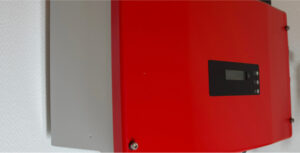
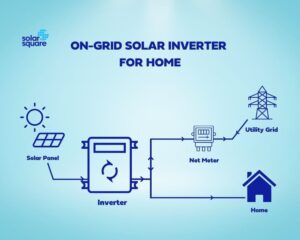
A solar inverter converts the direct current (DC) electricity produced by solar panels into alternating current (AC) electricity for use in your home or export to the grid. Inverter clipping occurs when the panels can supply more power than the inverter can convert at that moment. The inverter then limits the power drawn from the panels to keep its AC output within its rated capacity.
In addition, you must never confuse inverter clipping losses with shading losses or solar panel degradation. Shading happens when something physically blocks sunlight from reaching your panels, including a tree, a nearby building, or bird droppings. Solar degradation is the natural, gradual drop in a panel’s output over many years. Inverter clipping is neither of these.
Why Does Inverter Clipping Happen?
Inverter clipping happens when solar panels can supply more power than the inverter can convert into AC electricity at a given moment. Since the inverter has a fixed maximum output capacity, it limits the power drawn from the panels to stay within that capacity.
Several factors can increase the chances of inverter clipping:
- Higher solar panel capacity: Installers often connect panels with a higher total rated capacity than the inverter’s AC rating because panels rarely operate at their full rated output. This increases electricity generation during lower sunlight hours but can also cause clipping during peak production.
- Strong sunlight: On clear, sunny days, panels may produce enough DC power to exceed the inverter’s conversion capacity, particularly around midday.
- Cooler panel temperatures: Solar panels generally operate more efficiently at lower temperatures. Strong sunlight combined with cooler temperatures can increase power output and the chances of clipping.
The difference between panel capacity and inverter capacity is measured using the DC/AC ratio, also called the inverter loading ratio (ILR). For example, a system with 5 kWp of solar panels and a 4 kW inverter has a DC/AC ratio of 1.25. A higher ratio generally increases the likelihood of clipping, although actual losses depend on the system’s operating conditions.
When Does Clipping Actually Occur?
Inverter clipping is more likely around midday, when sunlight is strong and the panels can produce higher power. However, its timing and duration depend on the location, weather, panel orientation, and system design.
Solar inverter clipping is common in spring and early summer. Solar panels actually perform slightly better in cooler temperatures. So, a bright, sunny day with moderate heat often pushes out more DC power than a blazing-hot afternoon. Before this starts to sound like solar is a bad idea for hot climates, it isn’t. Extreme heat indeed reduces panel efficiency, but Indian summers also compensate for it with longer days of stronger, more direct sunlight.
Consider a 5 kWp solar array connected to a 4 kW inverter. Its DC/AC ratio is 1.25. On a bright afternoon, suppose the panels could supply 4.6 kW of DC power.
At an assumed inverter efficiency of 96%, this could produce approximately 4.42 kW of AC power. However, the inverter’s maximum rated output is 4 kW. It therefore caps the output, leaving ~0.42 kW of potential AC power unconverted.
If this condition lasts for one hour, the clipping loss would be approximately 0.42 kWh.
*Disclaimer: This calculation is illustrative. Actual clipping losses depend on solar panel output, inverter efficiency, weather conditions, and system design.
Does Inverter Clipping Affect Battery Storage Systems?
It depends on how the battery is connected.
- DC-coupled (hybrid inverter): Some hybrid inverter systems can divert surplus available solar power to charge a battery instead of leaving it unharvested through clipping. However, the amount that can be stored depends on the inverter design, battery charging capacity, and available storage space. If the battery cannot accept additional power, clipping may occur when the solar array’s potential output exceeds the inverter’s conversion capacity.
- AC-coupled: In this setup, the solar inverter first converts the DC electricity produced by the panels into AC electricity. A separate battery inverter then converts the available AC electricity into DC electricity for storage. Since the solar inverter limits its output before the electricity reaches the battery system, the battery cannot capture the excess solar power lost due to inverter clipping.
How Much Energy Do You Actually Lose Because of Inverter Clipping in Solar Systems?
Research by NREL (National Renewable Energy Laboratory) and Sandia National Laboratories shows that inverter clipping losses vary depending on system design, location, weather conditions, and the DC/AC ratio. A moderately oversized system may experience relatively small annual clipping losses, but there is no fixed percentage that applies to every installation. A site-specific generation estimate is needed to calculate the expected loss.
Source: NREL, “Quantifying the Impact of Inverter Clipping on Photovoltaic Performance and Soiling Losses.”
Let’s understand inverter clipping in solar design with a simple comparison.
Imagine two versions of the same home solar system:
- System A: 4 kWp of panels with a 4 kW inverter. Clipping is usually low, but it is not guaranteed to be zero. Actual output depends on sunlight, module temperature, inverter efficiency, and operating limits, so brief clipping can still occur in strong conditions.
- System B: 5 kWp of panels with the same 4 kW inverter. The higher DC/AC ratio means more clipping around midday in strong sunlight, but the inverter also reaches its rated output earlier and holds it later in the day, and the system produces more under low light.
Under the same operating conditions, System B will generally generate more electricity annually because it has additional solar panel capacity. However, the increase in electricity generation will not be proportional to the additional panel capacity because some potential power is lost during clipping. Whether the extra panels are financially worthwhile depends on their cost and the additional electricity they generate.
The goal is not to eliminate clipping or to maximize generation at any cost. It is to choose a DC/AC ratio that balances added generation, equipment cost, and long-term savings, within the inverter manufacturer’s limits and local regulations.
Is Inverter Clipping a Bad Thing?
No, inverter clipping is not always a bad thing. A properly selected DC/AC ratio allows a solar system to generate more electricity during periods of lower sunlight without requiring a proportionally larger inverter. Although some potential electricity generation may be lost during peak sunlight hours, the additional generation throughout the day can outweigh these losses.
Sometimes inverter clipping in solar can be huge for some reasons discussed below:
- The panel array is oversized far beyond what makes sense for the site, pushing the DC: AC ratio too high
- A smaller, cheaper inverter was chosen purely to cut costs, without proper calculation
- The system wasn’t designed around the home’s actual roof orientation, shading, and local weather patterns
In these cases, inverter clipping losses can climb well past the normal range and start eating into real savings. This is exactly why the solar design matters just as much as the panels or inverter brand.
How to Tell If Your Rooftop Solar System Is Clipping Too Much
If you want to check the inverter clipping in your solar system, you can analyze your solar monitoring app. A power output graph that becomes flat around midday, particularly near the inverter’s rated AC capacity, may indicate clipping. However, a flat graph alone does not confirm clipping, as other operating limits can produce a similar pattern.
Here are some signs to look for:
- Expected clipping: The inverter’s AC output reaches its rated capacity and remains at that level during periods of strong sunlight.
- Possible performance issue: Your system consistently generates less electricity than the installer projected under comparable operating conditions.
- When to contact your installer: If you notice unexpected changes in the output graph, unusually low generation, or repeated inverter warnings, request a system performance check.
The important question is whether the actual annual generation matches the expected output. If the clipping is more frequent than anticipated or your solar system consistently generates less electricity than projected, ask your installer to review its performance. This is exactly why the design phase of your solar installation matters so much, and we take it seriously at SolarSquare.
Before we recommend a system size, we assess your actual roof, its orientation, shading, and your household’s real electricity usage. From there, we calculate a DC: AC ratio specific to your site, not a generic number copied across every installation.
This means any expected inverter clipping is already considered in the generation numbers we project for your system. Also, we’re India’s first and only solar company that backs every installation with a written savings guarantee, compensating you at ₹8 per unit for generation shortfall against the committed output.
Not sure if your system is sized correctly? Book a free consultation with SolarSquare and get a proper site assessment, with your DC: AC ratio and generation numbers calculated specifically for your home.
Frequently Asked Questions
Does inverter clipping damage my panels or inverter?
No, normal inverter clipping does not damage solar panels or the inverter. When the available solar power exceeds the inverter’s conversion capacity, it limits the power drawn from the panels to remain within its operating limits. This is part of normal inverter operation, not a malfunction.
Should I buy a bigger inverter to avoid inverter clipping entirely?
You don’t need to buy a bigger inverter to avoid inverter clipping. A bigger inverter costs more and often sits underused for most of the year. In many designs, accepting mild clipping is the more economical choice.
Does inverter clipping affect my subsidy eligibility?
No, inverter clipping has no connection with subsidy. Subsidies under schemes like PM Surya Ghar Muft Bijli Yojana are based on your system’s installed capacity in kW, not on how much electricity it actually generates. Clipping affects generation only, so your subsidy eligibility stays completely unaffected.
How is clipping different from shading loss?
Shading loss occurs when trees, buildings, or other objects block sunlight from reaching solar panels, reducing the power they can produce. Inverter clipping occurs when the panels could supply more power than the inverter can convert. The inverter then limits the power drawn from the panels, leaving some potential electricity ungenerated.
Can I check for clipping myself, or do I need a technician?
Yes, you can check for possible clipping using your solar monitoring app. Look for a flat-topped power output graph near the inverter’s rated capacity during strong sunlight. However, this pattern alone does not confirm clipping. If generation is lower than expected, ask your installer to check the system.
What is a good DC to AC ratio for a home solar system?
A DC/AC ratio of 1.10 to 1.25 is common in many solar system designs, according to NREL. However, the right ratio depends on your roof orientation, local sunlight conditions, panel capacity, and inverter specifications. Your installer should also follow the manufacturer’s electrical limits and applicable regulations.