
 8503 Reads
 13 mins


Used solar panels can cost ~40% less upfront, but they can also cost you the ₹78,000 government subsidy that new systems qualify for under PM Surya Ghar Muft Bijli Yojana. Here’s the real math before you decide.
Acquiring solar energy and employing it to light millions of homes and workplaces has proven to be quite a cost-effective process in the long term.
The upfront costs of purchasing and installing a new solar system deter many people from going green and saving money. If you’re one of those people, you might want to choose used solar panels to avoid the substantial initial expenditure.
This comprehensive guide walks through everything you need to know about second-hand solar panels in India, how to choose the right one, and where it falls short compared to a new system, especially once you factor in warranties and government schemes.
Please note that the ₹78,000 subsidy under PM Surya Ghar Muft Bijli Yojana applies specifically to new, government-approved systems of 3kW capacity and above. It’s not available for used/second-hand panel installations.
What Are Used Solar Panels?
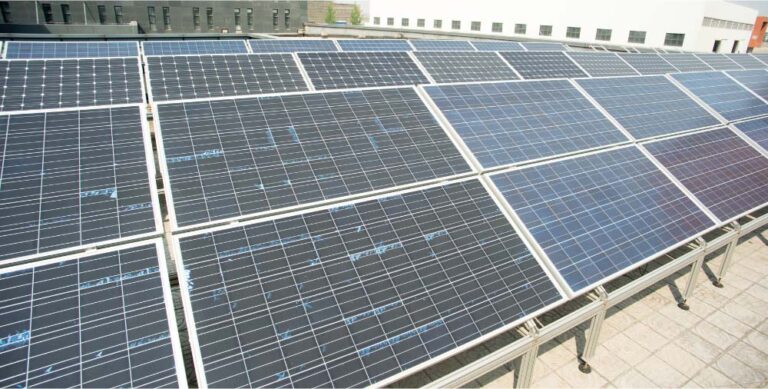
Used solar panels, or 2nd-hand solar panels, are modules that have already been installed and used elsewhere, then removed and resold. They usually come from decommissioned solar farms, businesses upgrading their systems, or households that shifted to newer technology.
Installing used solar panels is a good alternative to pay less upfront, start generating some solar power rather than waiting and saving up, and test solar. In practice, it can be more complicated, and the savings aren’t always what they seem once you dig into the real numbers.
How to Choose the Right Used Solar Panels?
Solar panels are delicate products available on the market. They need to be handled with real care during transportation and installation to prevent common solar problems. Surface defects can bring the module efficiency down. If you’re still set on buying second-hand solar panel units, here’s what to check before handing over any money:
- It is very important to check the product’s condition first. The longevity of solar panels is guaranteed to be at least 20 years. The less the previous owner used it, the more you can utilise the product.
- The efficiency is directly related to how much upkeep the previous owner performed. Thus, the guarantee hardly covers second-hand solar panels for mechanical or electrical repairs. Therefore, before making any purchasing decisions, find out from the former owner if they maintained the solar system well.
- It would help if you could calculate the typical energy output you’d need before looking for used solar panels for sale. You’ll save money and energy by selecting the appropriate type and size of system for your unique needs. After that, you can discuss the precise installation details with a qualified expert.
What are the Advantages of Used Solar Panels?
To be fair, second-hand solar panel systems do have some genuine upsides, and it’s worth laying them out honestly. Some of the advantages of 2nd hand solar panels are given below:
Lower Upfront Cost:
Reducing electricity bills is the core reason you consider while installing rooftop solar. Even using used panels can reduce your electricity bill to some extent. However, the overall savings depend heavily on where you live, since panels need consistent daylight to generate actual power. In regions with strong year-round sunlight, used panels can still perform reasonably well. In areas with less consistent sun, you may not get your money’s worth at all.
Faster Entry into Solar:
If you are not ready to invest in a new rooftop system, installing used panels is a good way to start generating some solar power. Sourcing used solar panels is easier than sourcing new ones. You can start generating some power rather than waiting and saving up.
Good for short-term use:
Not everyone is looking for a ~20-year investment. If you are someone looking for temporary solutions for farm sheds, workshops, or temporary structures, used solar panels are a good option. They can handle the basic load for a few years (depending on the panel condition).
Predictable Running Costs:
Once you install second-hand panels, your electricity costs stay fairly stable for years, unlike grid electricity, which typically rises by at least ~3% every year.
When You Shouldn’t Buy Used Solar Panels?
If you’re planning to sell your property later, installing second-hand panels probably isn’t the smartest move if you want to boost your home’s resale value. People consider second-hand solar panels; nobody would want a third-hand panel, though.
There’s also a simpler way to think about it. Buyers of second-hand panels are essentially trusting a stranger’s word about how well a product was cared for. That’s a lot of faith to place in a system you’ll be relying on for the next decade or more.
Second-Hand Solar Panels Price in India
There is no fixed second-hand solar panel price in India. The panel prices depend on their condition. You must always ask for a flash-test report before you agree on a price. Don’t just go by what the seller quotes.
- New solar panels cost between ₹14 and ₹32 per watt* in India right now, based on the technology (PERC, TOPCon, HJT).
- The second-hand solar panel price in India ranges from ₹11 to ₹500 per watt for similar wattage.
Source: IndiaMART
- As a rough guide, used panels usually sell for 40-60% less than the new price if there’s damage or heavy wear.
*Please note: The per-watt solar panel price listed above is an indicative range and can change based on the manufacturer, module wattage, order size, location, and market conditions.
Where to Source Second-Hand Panels From
You can source second-hand solar panels from the following places:
- Decommissioning projects: You can buy directly from a company replacing old panels. You can get full history and paperwork from the company.
- EnergyBin: A B2B platform built for used solar gear. Listings usually come with condition and test data.
- Local installers: Some installers take old panels during upgrades and resell them. It is a safer option than buying from a stranger online. But there is a high chance most of them will not provide paperwork.
- IndiaMART, Quikr, TradeIndia: Usable, but nobody verifies sellers here. Inspect and test everything yourself before paying.
Verifying a Used Panel: EL Test and Flash Test
Before investing in any second-hand solar panel, you must ensure that the provider has no issues with the testing to confirm the panel’s condition. You must never buy them without seeing an EL or flash test report. A panel can look fine and still be badly degraded inside. Verify a used panel by the following tests:
- EL (Electroluminescence) test: Uses a special camera to photograph each cell while powered. This test shows hidden cracks, broken cells, soldering failures, or dead spots you can’t see by eye.
- Flash test: Measures actual power, voltage, and current output. Tells you exactly how much the panel has degraded.
- Label check: Match the serial number, model number, and certification marks (BIS (Bureau of Indian Standards), IEC (International Electrotechnical Commission) certifications against the manufacturer’s records.
Disadvantages of Used Solar Panels
This is really where the second-hand solar panel conversation gets serious, and where most buyers realise the maths isn’t as simple as it first looked.
1. No Eligibility for Government Subsidy
This is the single biggest drawback. Under PM Surya Ghar Muft Bijli Yojana, you can avail a subsidy of ₹78,000 for a 3 kW or above system (capped). The subsidy is only available when you install new, BIS (Bureau of Indian Standards)- approved and ALMM (Approved List of Models and Manufacturers)-listed solar panels. Used panels don’t qualify for this support at all.
Once you lose government support, the “savings” from buying used panels shrink dramatically. A subsidised new system ends up cheaper per watt of real, warrantied output than a second-hand one.
2. Shorter Remaining Lifespan
Solar panels are typically built to last ~20 to 25 years, but a used panel has already burned through part of that lifespan before you even bought it. Solar panel degradation also speeds up as panels age, meaning a used system may fall well short of peak output right when you need it most.
3. No Manufacturer Warranty
New panels usually come with performance warranties of ~25 years and product warranties of ~10 to 12 years. Used panels seldom carry any panel warranties. If a used panel breaks down a few years after you buy it, you’re on your own, with no warranties.
4. Uncertain Real-World Performance
You don’t know how a used panel was treated before it reached you. You must ask a few questions before installing second-hand panels like:
- Was it cleaned regularly?
- Was it ever damaged in transport or storage?
- Was it sitting unused, exposed to weather, for months before resale?
You can never get any of the answers in the first visual check, and by the time you find out, you’ve already installed it.
5. Compatibility and Certification Issues
If the panels are too old, they may not meet current safety or efficiency standards. They must be compatible with new components, as a modern inverter can sometimes cause performance mismatches. This isn’t always a dealbreaker, but it’s one more thing that can quietly affect your expected output.
Used Solar Panels vs New Solar Panels: A Quick Comparison
Comparing used solar panels with new ones gives a better picture of why the lower sticker price on used panels doesn’t automatically translate into a better deal. Check the side-by-side comparison below:
| Factor | Used Solar Panels | New Solar Panels |
| Upfront Cost | Lower | Higher |
| Government Subsidy | Not eligible | Eligible (up to ₹78,000 for 3kW or above (capped) under PM Surya Ghar Muft Bijli Yojana) |
| Warranty | None or very limited | ~25 years (performance warranty) |
| Remaining Lifespan | Uncertain, often reduced | ~20–25 years |
| Performance History | Unknown | Verified, brand-backed |
| Resale/Property Value Impact | Neutral to negative | Positive |
| Long-Term Reliability | Variable | Consistent |
Why New Solar Panels Usually Make More Financial Sense in 2026
Here’s the thing about solar as an investment. It isn’t a one-time purchase you evaluate for a week and forget about. It’s a system you’ll rely on for over 20 years, so the real comparison isn’t “cheap versus expensive but it’s “cost per year of reliable power.”
When you run the numbers, new solar panels usually come out ahead for a few clear reasons:
- The subsidy gap alone often closes most of the price difference. Once you subtract up to ₹78,000 under PM Surya Ghar Muft Bijli Yojana, a new system’s cost may be a little higher than the used setup, without any uncertainty.
- A new system comes with product and performance warranties. If a panel underperforms or fails, you’re covered. With used panels, you don’t get these warranties.
- New systems come with proper installation support. This includes structural design, net metering paperwork, and after-sales service, none of which typically comes with a second-hand solar panel purchase.
- You get the ~20 to 25-year lifespan, not whatever years happen to be left on someone else’s old panels.
For most homeowners in India today, this is why solar providers steer people toward new, subsidy-eligible systems rather than the second-hand market. The upfront number might look bigger, but the real cost over the life of the system usually works out lower and far more predictable.
If you’ve been comparing used solar panels just to save money, it’s worth seeing what a subsidised new system actually costs you first. At SolarSquare, we help homeowners across 35+ Indian cities install brand-new, warrantied solar systems with zero upfront investment. We provide full support in claiming your PM Surya Ghar subsidy, and our installation is handled entirely by trained professionals. Book a free consultation with SolarSquare and get a real, no-surprises quote before you decide.
Questions You Must Ask Before You Buy Used Panels
If you’re still on the fence, ask yourself these questions before buying used panels:
- Do I know exactly why the previous owner sold these panels? If you don’t have a clear answer, treat that as a warning sign.
- Am I comfortable losing the subsidy and warranty entirely? If losing up to ₹78,000 in subsidy support and over a decade of warranty coverage feels like a real loss, the maths may not favour used panels for you.
- Would I rather pay a bit more now for certainty, or save now and risk a bigger repair bill later? There’s no right answer here, but being honest about your own risk tolerance makes the decision much easier.
Conclusion
Used solar panels technically work for buyers with a low budget, strong local sunlight, and a high tolerance for risk. But for most Indian households in 2026, the maths favours new panels. You can account for the government subsidy, the manufacturer warranty, and the full remaining lifespan.
If you’re weighing used solar panels purely to save money, it’s worth first checking what a subsidised new system would actually cost you. More often than not, the gap is smaller than it looks, and the peace of mind is worth a lot more.
Frequently Asked Questions
What inquiries should I make before purchasing used solar panels?
The following are some crucial inquiries you just make:
- What is the purchase date of the solar system?
- Have the solar panels ever experienced any problems or defects?
- Is the system still under a warranty?
- What is the average power generation rate of the solar system?
How do you determine the estimated prices of used solar panels?
The following are the variables that can determine the estimated cost of used solar panels.
- Dimension of the solar system
- Structure and type of the solar panels installed
- Condition or state of the panels
- The brand the module belongs to
So, there’s no one price tag that you can put: all used solar panels for sale will have different rates.
Why is the demand for second-hand solar panels rising?
The financial potential of reselling decommissioned solar panels has been recognised by many solar equipment brokers and installers.
This is because a lot of people are willing to buy non-shattered panels and use them to avoid the exorbitant installation price of buying and installing new solar panels.
Are second-hand solar panels eligible for the PM Surya Ghar subsidy?
No. The subsidy only applies to new solar installations done through MNRE-empanelled vendors. This is one of the biggest reasons new panels often work out more cost-effective once the subsidy is factored in.
Do used solar panels come with a warranty?
Rarely. Most manufacturer warranties are tied to the original owner and don’t transfer, which means you’re fully on your own if something goes wrong.
Is it better to buy new solar panels instead of used ones?
For most homeowners, yes. New panels come with a full lifespan, a proper warranty, and subsidy eligibility, all of which usually make them a smarter long-term investment than second-hand panels, even with the higher upfront cost.
Where Do Used Solar Panels Actually Come From?
Most second-hand solar panel stock in India comes from commercial or industrial units upgrading to newer systems, solar farms decommissioning older sections of a plant, or businesses that shut down and are liquidating assets, including their rooftop solar systems.


 Previous Article
 17 min
![10 kW Solar Panel Price in India [With and Without a Subsidy]](https://cdn.solarsquare.in/blog/wp-content/uploads/2025/07/18165650/10-KW-solar-panel-300x167.webp)