

 21 Reads
 8 mins


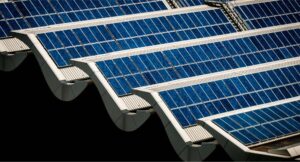
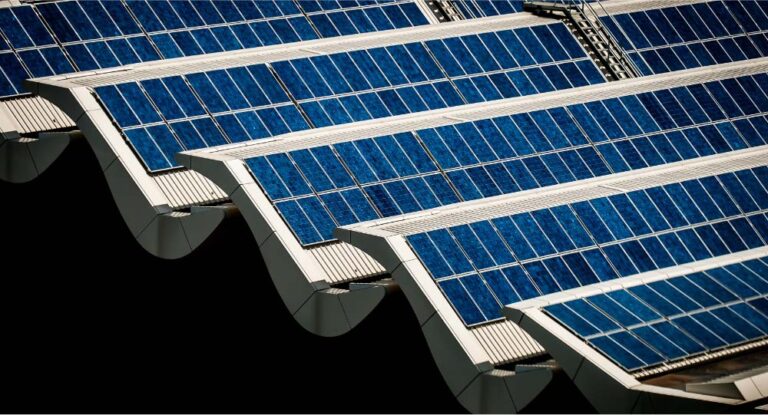
Rising electricity costs are pushing more Indian homeowners toward self-generated power; but not everyone wants visible panels bolted onto their roof. If you’ve been searching for solar roofing sheets, solar sheeting, or a solar panel sheet for a roof that blends in rather than stands out, you’ve likely run into a mix of confusing product names: solar shingles, solar tiles, BIPV, solar metal roofing.
This guide breaks down every type of solar panel roofing sheets available today, what type of roof works best under solar panels, whether you can genuinely replace your roof with solar sheets, and, most importantly, whether they make financial sense for your home compared to standard rooftop solar panels.
What Are Solar Roofing Sheets?
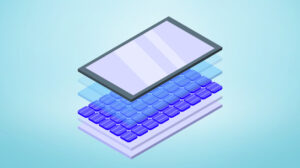
Solar roofing sheets are roofing systems that generate electricity directly from sunlight while doubling as the roof itself, rather than sitting on top of an existing roof. Made from photovoltaic (PV) materials, they’re part of a broader category called Building Integrated Photovoltaics (BIPV), solar technology designed to replace conventional building materials like roof tiles, facades, or windows.
Types of Solar Roofing Sheets
Solar roofing sheets are typically built using semiconductor materials like monocrystalline silicon or copper-indium-gallium selenide (CIGS), and fall into a few broad categories:
1. Solar Tiles (Solar Shingles)
Designed to mimic the size and look of traditional roofing tiles, asphalt, slate, or terracotta; solar tiles blend into a conventional roofline while quietly generating power. They’re the closest thing to an “invisible” solar roof, which makes them popular for heritage-style or design-led homes.
2. Building-Integrated Solar Panels (BIPV Panels)
These have dimensions closer to standard solar panels and can be integrated into a roof or building facade. They’re less discreet than solar tiles but generate more power per square metre, and tend to be more cost-effective for larger roof areas.
3. Solar Metal Roofing
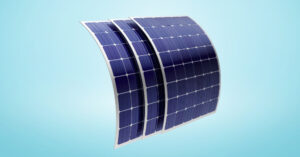
Thin-film or laminate PV cells integrated directly into metal roofing sheets (steel, aluminium, or copper). This option suits sheds, warehouses, and homes that already use metal roofing, combining the durability of metal with built-in solar generation.
4. Solar Skylights and PV Glass
Semi-transparent photovoltaic glass used for skylights or facades; these generate power while still allowing light through, mostly used in premium commercial or architect-led residential projects.
What Type of Roofing Is Best Under Solar Panels?
If you’re installing standard rack-mounted solar panels rather than integrated sheets, roof type matters as much as roof direction. Here’s how common Indian roof types compare:
- RCC (concrete) roofs: The easiest and most economical to install on; mounting structures anchor directly and securely, with no membrane to puncture.
- Metal sheet roofs: Well-suited to solar, often using clamp-based mounting that avoids drilling altogether.
- Asbestos roofs: Technically possible but not recommended; asbestos is brittle, prone to cracking under mounting loads, and carries health risks during drilling. Most installers recommend replacing asbestos roofing before adding solar.
- Sloped tile/heritage roofs: Installable, but require careful waterproofing at each mounting point to avoid leaks; this is where solar tiles or BIPV panels often make more visual and structural sense than standard panels.
In short: a sound, flat RCC or metal roof gives you the simplest, most cost-effective solar installation. Solar roofing sheets become the more relevant option primarily for new builds, full re-roofs, or heritage-sensitive homes.
Can You Use Solar Panels as Roofing?
Yes, this is exactly what solar roofing sheets (solar tiles, BIPV panels, solar metal roofing) are built to do: they replace your roofing material rather than mount on top of it. However, this only works cleanly in two situations:
- New construction, where the solar roof is planned into the building design from the start.
- A full re-roof, where you’re replacing your roofing material anyway and can absorb solar into that cost.
For an existing home with a sound roof, standard rack-mounted solar panels installed on top of your current roof remain the far more practical and economical route; you don’t need to touch your existing roofing at all.
Traditional Rooftop Solar Panels vs. Solar Roofing Sheets: Which Should You Choose?
Solar roofing sheets and standard rooftop solar panels aren’t really competing for the same buyer; they solve different priorities. But if you’re comparing them side by side, here’s how they stack up:
| Factor | Rooftop Solar Panels | Solar Roofing Sheets (Tiles/BIPV) |
| Design | Mounted on top, works with almost any sound roof | Integrated into the roof |
| Efficiency/power per m² | Higher: more generation per rupee invested | Lower |
| Installation | Simple, fast, and proven across millions of Indian homes | Complex; realistically limited to new builds |
| Subsidy (PM Surya Ghar) eligibility | Fully eligible for the full PM Surya Ghar Muft Bijli Yojana subsidy | Generally not eligible |
| Availability & installer network | Widely available with a mature, experienced installer ecosystem | Limited in India |
| ROI / payback | Faster payback, proven long-term performance | Slower |
The honest takeaway: For the vast majority of Indian homes with a structurally sound existing roof, standard rack-mounted solar panels deliver significantly more electricity per rupee spent, with a mature subsidy and installation ecosystem behind them. Solar roofing sheets are the right call in a narrower case: new construction or a full re-roof, where looks and design integration matter enough to justify the premium.
Benefits of Solar Roofing Sheets
Maximum sunlight exposure is one of the most significant benefits of installing solar roofs. This is helpful in generating sufficient amounts of electricity for domestic use.
Apart from this, there are other perks offered by this solar power generating system. These include:
- Maximum sunlight exposure: Full roof coverage means efficient power generation for the space used.
- Efficient protection: UV-resistant and typically fire-resistant, while keeping interiors cooler than a bare roof.
- No separate roof + panel cost: Since the sheet is the roof, you avoid paying for both roofing material and mounted panels separately.
- Preserves home aesthetics: Blends with the building rather than sitting visibly on top of it.
- Durability: Built to withstand storms, wind, and debris, much like conventional roofing.
Disadvantages of Solar Roofing Sheets
Using solar on roofs is undoubtedly an excellent investment for reducing the harsh environmental impact of commercial power generation. However, they come with certain drawbacks.
You must consider the disadvantages of solar roofing sheets before installing them. Two major limitations of this system are listed below.
- Higher cost per watt: Typically 2-3 times more expensive than standard panels for the same generation capacity.
- Lower efficiency and limited availability in India: The market is still maturing, with far fewer installers and products compared to standard rooftop solar systems.
- Best suited to new construction: Retrofitting an existing sound roof with solar sheets rarely makes financial sense compared to standard panels.
Conclusion
Solar roofing sheets solve a real problem, generating power without visible panels, but they solve it at a real cost. For most Indian homes with a sound existing roof, standard rack-mounted solar panels remain the far more practical choice: lower cost per watt, faster payback, wider subsidy eligibility, and a mature installer network to back it up. Solar roofing sheets earn their place mainly in new construction or a full re-roof, where design and aesthetics genuinely justify the premium.
Not sure which option fits your roof and budget? SolarSquare’s team can assess your specific roof- RCC, metal, tile, or otherwise- and recommend whichever solar solution actually makes financial sense for your home, backed by full subsidy and net metering support. Get a free rooftop solar assessment from SolarSquare.
Frequently Asked Questions
What type of roofing is best under solar panels?
RCC (concrete) and metal sheet roofs are best suited for standard solar panel installation, they’re structurally simple to mount on and don’t require drilling into fragile material. Asbestos roofs should generally be replaced before installing solar.
Is it better to install solar tiles or rooftop solar panels on an existing home?
Rooftop solar panels are the better choice for nearly every existing home; they cost less per watt, generate more power, install without touching your existing roof, and come with full subsidy and net-metering support. Solar tiles are worth considering only if you’re building new or doing a full re-roof.
Can solar roofing sheets be installed on any type of roof?
Not easily. They’re primarily suited to new builds or full re-roofs, since installation typically replaces the existing roofing layer rather than sitting on top of it.
What are solar roofing sheets made of?
Solar roofing sheets are made from photovoltaic semiconductor materials like monocrystalline silicon or copper-indium-gallium selenide (CIGS), shaped to resemble traditional roofing tiles, shingles, or metal sheets.
Do solar roofing sheets need special maintenance?
They generally need the same upkeep as any roof: periodic cleaning and inspection, though their integrated design can make individual panel repairs more involved than with rack-mounted rooftop solar panels, where a single panel can be swapped out easily.


 Previous Article
 16 min

![10 kW Solar Panel Price in India [With and Without a Subsidy]](https://cdn.solarsquare.in/blog/wp-content/uploads/2025/07/18165650/10-KW-solar-panel-300x167.webp)