

 283 Reads
 11 mins


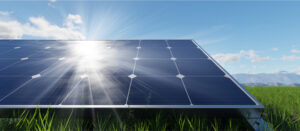
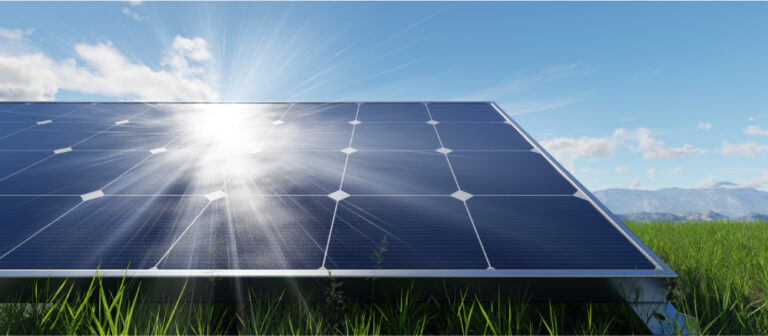
The moment sunlight hits a solar panel and the moment your fan spins or your phone charges, something quietly remarkable happens. Photons of light knock electrons loose inside a silicon cell, and those electrons flow as electricity. This is what a solar photovoltaic system does, and it’s the technology behind every rooftop solar installation in India today.
Whether you’re seriously considering going solar or just trying to understand what all those panels on your neighbour’s roof actually do, this guide covers everything you need to know about basics of solar PV systems: what they are, how they work, what they’re made of, the different types available, and their pros and cons.
What Is Solar Photovoltaic System?
A solar photovoltaic or solar PV system is a technology that converts sunlight directly into electricity through photovoltaic effect. ‘Photo’ means light, and ‘voltaic’ means electricity which means, a technology that produces electricity from light, specifically from the sun.
The first photovoltaic cell was discovered in 1954 by Gerald Pearson, Daryl Chaplin, and Calvin Souther Fuller. Since then, it has been an adequate replacement and a solution to the depletion of fossil fuels. Today, it has become a vital source of energy for recharging devices.
When sunlight hits the solar panels, which are made up of solar cells. These cells absorb the light and generate direct current (DC) electricity. An inverter then converts that DC electricity into alternating current (AC), which is what your appliances and the electrical grid use. Depending on the type of system, this electricity either powers your home directly, gets stored in batteries, or flows back into the grid. This is how the solar PV system works.
This technology is eco-friendly, safe to use, and generates green energy without causing pollution. A photovoltaic system comes in various sizes and is useful in solar water heating, ventilation, lighting, and transportation.
How Does a Solar PV System Work?
Before knowing the types, components, of the solar PV system, we need to understand the basic working principle to know how a solar PV system works.
Every solar panel is made up of dozens of solar cells that are made up of silicon. Each solar cell has two layers of silicon, positively charged and negatively charged. When sunlight hits the solar cells, photons (particles of light) knock electrons loose from the silicon atom. The two types of silicon layer built-in electric field at the junction due to which electrons move in a specific direction, creating a flow of DC electricity.
This is the photovoltaic effect in action. It happens silently, continuously, and with no moving parts which is a big part of why solar systems are so low-maintenance.
Main Components of Solar Photovoltaic System
A solar PV system is not just about panels but consists of various components that work together to generate, convert, store, and deliver electricity. The components of solar PV system are given below:
Solar Panels (PV Modules)
Solar panels or Photovoltaic modules are made up of interconnected photovoltaic cells. They are housed in support structures to ensure they are tilted correctly and facing the sun. Each panel has output terminals that carry the generated electricity to the rest of the system. There are various types of solar panels available including monocrystalline, polycrystalline, TOPCon, and more.
Solar Inverter
The solar inverter converts the DC electricity generated by the solar panels into AC electricity that your home appliances can use. There are three main types of solar inverters – string inverters (one central inverter for all panels), microinverters (one inverter per panel), and hybrid inverters (which also manage battery storage).
Mounting Structure
This is the framework that holds the panels in place, on your roof. A good mounting structure keeps panels at the optimal angle for maximum sun exposure, withstands wind and rain, and doesn’t damage the roof surface.
Batteries (in Off-Grid and Hybrid Systems)
Batteries store the excess electricity your panels generate during the day so you can use it at night or during power cuts. Lithium-ion batteries are the most popular choice today for residential systems. In on-grid systems, batteries are optional where your storage is effectively the grid itself.
Charge Controller
These are mainly used in off-grid systems. It regulates the voltage and current flowing from the panels to the batteries. It prevents overcharging, which can damage batteries and reduce their lifespan. In most modern hybrid inverters, charge control is already present.
Net Meter
In on-grid or hybrid systems, a net meter is installed by your electricity distribution company (DISCOM). It tracks how much electricity your solar system feeds back to the grid versus how much you draw from it. At the end of the billing cycle, you pay only for the net difference, which is where the real savings come from. The steps to apply for a net metering system under PM Surya Ghar Yojana are quite simple.
Wiring and Junction Boxes
To connect all the components safely, it requires proper DC and AC wiring, conduits, junction boxes, and circuit breakers. The quality wiring is essential for safety and long-term system performance.
Monitoring System
Most modern solar inverters come with a monitoring app or dashboard that shows real-time generation data, total units produced, CO2 savings, and any system alerts. This lets homeowners track their savings and catch performance issues early.
Types of Photovoltaic Systems
There are three common types of solar PV systems: grid-connected, hybrid, and off-grid. These PV solar panels supply electricity to customers by converting the sun’s energy into solar energy using different techniques. Here are the three main types of solar PV systems:
1. On-Grid Solar PV System
This is the most common type installed in Indian homes and businesses. An on-grid system is connected directly to your electricity distribution grid. Solar panels generate electricity during the day, which powers your home first. Any surplus goes back to the grid, and you earn net metering credits. At night, solar panels do not much generate electricity, and you draw electricity from the grid then.
The on-grid solar PV systems are suitable for areas with stable grid connectivity and daytime electricity consumption. The best part is you do not need batteries, which reduces the overall cost.
The only limitation is that the system does not work during grid outages.
2. Off-Grid Solar PV System
An off-grid system works completely independently of the electricity grid. It relies on solar panels to charge a battery bank, which then powers your home during day and night.
It is an ideal device for people who cannot use grid-connected solar photovoltaic systems due to geographical restrictions or high costs.
These are good choice for remote farms, villages, hill stations, and where the grid connectivity is low. It provides complete energy independence but has high upfront cost due to batteries.
3. Hybrid Solar PV System
A hybrid system combines the best of both worlds. It’s connected to the grid like an on-grid system but also has a battery bank like an off-grid system. During the day, solar powers your home and charges the batteries. At night, the batteries take over. If both solar and batteries run low, the grid kicks in. And if there’s a power cut, the batteries keep you running.
Hybrid solar photovoltaic systems are good for urban homes in areas with frequent power cuts, and for people who want maximum energy independence. The only limitation is that the system is the most expensive of the three types.
Advantages and Disadvantages of Photovoltaic System
Since the PV system evolved, it has helped people in many ways. Its eco-friendly utility has been quite beneficial in saving the environment from the side effects of using fossil fuels.
Advantages of Solar Photovoltaic Systems
The following are some advantages of the solar photovoltaic system:
- Lower electricity bills: This is the reason why most homeowners are going solar. Once installed, a properly sized solar PV system offsets a big portion of your grid electricity consumption. Customers can eliminate 80-100% of their electricity bills within the first year of installation.
- Long lifespan and proven reliability: Solar panels are built to last. Most come with a 25-year performance warranty, and many continue producing well beyond that.
- Low maintenance: Solar PV systems have no moving parts. Once installed, they need very little attention, mainly periodic cleaning to remove dust and debris. Annual maintenance costs for solar systems are minimal, as compared to other energy systems.
- Clean, zero-emission energy: Solar PV generates electricity without burning fuel, emitting CO₂, or producing waste. Every unit of solar electricity displaces a unit of coal-generated power from the grid, directly reducing your carbon footprint.
- Government subsidies and incentives: India’s PM Surya Ghar Muft Bijli Yojana provides significant subsidies for residential rooftop solar installations, making the investment much more affordable. Net metering policies allow homeowners to earn credits for surplus electricity.
- Energy independence: With a hybrid system and battery storage, your home can run on solar power even during grid outages insulating you from power cuts and rising tariff rates.
- Scalability Solar PV systems can be installed at any scale from a 1kW system for a small apartment to a 500kW system for a large factory. You can also add panels as your energy needs grow.
Disadvantages of Solar Photovoltaic Systems
A Solar PV panel system also has some drawbacks, such as:
- Intermittent generation: Solar panels generate more electricity when the sun is shining bright. Output drops a little on cloudy days and goes further lower at night. On-grid systems handle this seamlessly through the grid, but off-grid systems need adequate battery capacity to handle gaps in generation. Hybrid system works best if you want a combination of both the higher generation of electricity at day time and power back up when at night there is power outage.
- Roof space requirement: A typical 1kW solar system requires about 10 square metres of unshaded roof space. For larger systems, this can become a constraint especially in apartments or buildings with shared or limited rooftop access.
- Performance degrades over time: Solar panels lose efficiency gradually typically 0.5-0.7% per year. After 25 years, most panels are operating at around 80% of their original rated output. This is well within acceptable ranges for most households, but it’s worth accounting for when you do long-term planning.
- Energy storage adds cost: If you want 24*7 solar-powered electricity (hybrid system), you need batteries, which are expensive. A quality lithium-ion battery bank adds Rs. 1-3 lakh or more to the system cost, depending on capacity and a few other factors of the system.
- Grid dependency for on-grid systems during outages: The most common type of solar system in India (on-grid) doesn’t protect you from power cuts. For backup during outages, a hybrid system with battery storage is required.
Conclusion: Is a Solar PV System Worth It in India?
Yes, the Solar PV system is worth it for most homeowners in India.
India’s solar power potential is assessed at 10,830 GW, and with about 300 clear and sunny days a year, the calculated solar energy incidence on India’s land area is about 5,000 trillion kilowatt-hours per year. This is one of the most solar-rich countries in the world. That natural advantage, combined with affordable panel prices, rising grid tariffs, and government subsidies, makes solar PV one of the smartest long-term investments an Indian homeowner can make today.
The payback period for most residential systems is 3-5 years. After that, you’re generating almost free electricity for another 20 years.
Frequently Asked Questions
Is it possible to use solar energy throughout the day?
Yes, it is possible to use solar energy for 24 hours. Crescent Dunes in Nevada is the first solar power plant that operates throughout the day.
Does solar power function during the night?
Yes, PV solar power functions during the night as well. The battery bank stores the excess energy in the power grid, and solar power utilises it in the dark.
Is UV light required for solar panel photovoltaic operation?
Solar PV panels mainly transform visible light into electricity but may also utilise about half of thermal light. However, PV solar panels require less amount of UV light for the solar power process.
What is a solar photovoltaic system?
A solar photovoltaic (PV) system converts sunlight into electricity using the photovoltaic effect. It consists of solar panels, an inverter, mounting structures, wiring, and optional batteries and a net meter.
What are the main components of a solar PV system?
The key components are solar panels, an inverter, a mounting structure, wiring and junction boxes, a monitoring system, and (in hybrid and off-grid systems) a battery bank and charge controller.
How long do solar PV systems last?
Solar panels typically last 25-30 years, with most manufacturers offering a 25-year performance warranty guaranteeing at least 80% of original output. Inverters generally last 10-15 years and sometimes may need replacement during the panel’s lifetime.
Can solar PV systems work during power cuts?
Standard on-grid solar systems shut off during power cuts for safety reasons. Hybrid solar systems with battery storage continue to power your home even when the grid goes down.


 Previous Article