

Balcony solar is a small solar power system installed on an apartment or flat balcony to generate electricity when rooftop access is unavailable. A 300 W to 800 W balcony solar system may generate around 1 to 3 units of electricity on a clear day, depending on sunlight, orientation, panel angle, and shading.
Many people living in apartments cannot use the building’s terrace for installing solar panels, as the rooftop is a shared asset or is controlled by the housing society. However, many Indian apartments have balconies that receive direct sunlight for several hours a day. Balcony solar panels allow residents to use this space to generate a small amount of electricity for their flat.
The power generated can help run small appliances and reduce electricity bills slightly. However, the output, cost, installation process, and approvals depend on the size and direction of the balcony, the amount of sunlight it receives, the type of system installed, and the rules of the local DISCOM and housing society.
Balcony solar cannot be seen as a replacement for rooftop solar. If you have access to a roof, rooftop solar is the better option in India. A rooftop solar system can fit in more panels, generate more electricity, and offer a better return on investment. It also benefits from an established ecosystem for installation, solar power financing, PM Surya Ghar Muft Bijli Yojana subsidy, net metering, and after-sales service.
Balcony solar, on the other hand, is mainly useful for apartment residents who do not have access to a roof but still want to generate some of their own electricity.
This guide explains what balcony solar panels are, how different balcony solar systems work, their main components, subsidy eligibility, permissions, installation requirements, advantages, limitations, and how to check whether your balcony is suitable.
What are Balcony Solar Panels?
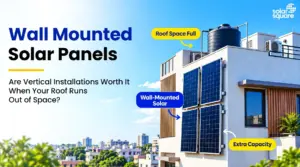
Balcony solar panels are small solar power systems designed for apartments and flats with very limited outdoor space. Unlike rooftop solar systems, they can be installed on different parts of a balcony, such as balcony railings, parapet walls, external walls, floor-mounted frames, window grills, and even building facades.
Like rooftop PV panels, they use photovoltaic cells to convert sunlight into electricity. However, balcony solar systems are much smaller and usually generate only enough power to cover a part of the flat’s daytime electricity use.
Here is a simple comparison between the two:
| Feature | Balcony Solar Panels | Rooftop Solar for Homes |
| Typical system size | A few hundred watts to 800 watts | Usually 1-10 kWp |
| Space required | Uses railings, walls, or limited balcony space | Uses a large shadow-free terrace |
| Common inverter types | Often uses microinverters | Frequently uses string inverters |
| Electricity generated | Generates a small part of the flat’s consumption | Can offset most or all household consumption |
| Best suited for | Apartments without roof access | Homes with a shadow-free rooftop |
Balcony solar is a small-scale option for apartment residents who want to generate some electricity but cannot install a full rooftop solar system.
Are Solar Panels for Balconies Worth it in India?
Balcony solar can be worth it for apartment residents who do not have access to a suitable roof. It is especially useful for tenants who want to reduce a small part of their daytime electricity use.
A balcony solar system can be a good option if:
- Your balcony receives enough direct sunlight
- You do not have roof rights
- You are comfortable with limited power generation
- You want a small PV system that may be easier to move when you change homes
However, balcony solar is not the best choice if you have access to a suitable terrace. Rooftop solar offers better value because it supports a larger system and generates more electricity.
A solar panel for an apartment balcony is also not designed to run heavy appliances such as ACs or eliminate your entire electricity bill. It should be treated as a supplementary power source that reduces part of your daytime consumption, not as a replacement for the grid connection.
(H2) How Does a Balcony Solar System Work?
Balcony solar power systems convert sunlight into electricity through the photovoltaic effect and work in one of three ways:
- Grid-connected
- Off-grid with a battery
- Plug-and-play
Let’s understand how all three types work in detail.
Grid-Connected Balcony Solar
A grid-connected balcony solar power system works alongside your regular electricity connection. It reduces the amount of power your flat draws from the grid during the day.
Here is how it works:
- The solar panels generate DC electricity from sunlight.
- A microinverter converts the DC electricity into AC electricity that your appliances can use.
- The AC power enters the flat’s wiring through a suitable socket or a dedicated electrical circuit.
- Your appliances use the available solar power first.
- The grid automatically supplies any additional electricity required.
This is known as a behind-the-meter system because the solar power is used directly inside the flat. Without net metering approved by the local DISCOM, excess electricity exported to the grid may not earn any credit.
Off-Grid Balcony Solar with a Battery
An off-grid solar power balcony system stores electricity in a battery instead of sending it into the flat’s main electrical circuit or the grid.
Here is how it works:
- The solar panels generate DC electricity.
- A solar charge controller regulates the electricity flowing to the battery.
- The battery stores the solar power generated during the day.
- An inverter converts the stored DC electricity into AC electricity when required.
- The system powers selected appliances such as lights, fans, chargers, or a Wi-Fi router.
What Does Plug-and-Play Balcony Solar Mean?
Plug-and-play refers to the way a balcony solar kit is assembled and connected. It is usually a small grid-connected system designed to require less installation work.
A plug-and-play balcony solar kit includes:
- One or more solar panels
- A microinverter
- Mounting equipment
- A connecting cable and plug
- Basic electrical protection components
The microinverter converts the panel’s output into AC electricity, which is supplied to the flat through a suitable socket. These kits are popular among renters because they are compact and easier to remove and carry to another home.
Main Components of a Balcony Solar Power System
A balcony solar system uses the same basic components as a rooftop system, but in smaller sizes suited to limited space.
- Solar panels: These generate electricity from sunlight. Monocrystalline panels are commonly used because they offer higher efficiency in a smaller area.
- Microinverter: This converts the DC electricity produced by the panels into AC electricity used by appliances. Microinverters also handle partial shading better than a single string inverter, which is useful when walls, railings, or nearby buildings block part of the sunlight.
- Mounting structure: Railing clamps, wall brackets, or tilted floor stands hold the panels securely and position them at a suitable angle.
- Electrical protection: Earthing, an MCB, and anti-islanding protection help disconnect the system during faults or power cuts. All components should comply with applicable BIS safety standards.
- Monitoring system: An app, meter, or display shows how much electricity the panels generate and helps identify any drop in performance.
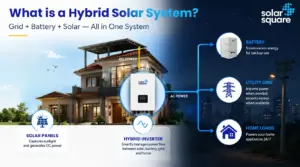
- Optional battery: A battery stores solar electricity for use later or during power cuts. It is mainly used in off-grid or backup configurations.
What are the Different Types of Balcony Solar Panels?
Not every solar panel is equally suitable for a balcony. The right options, listed below, depend on available space, mounting strength, portability, and budget.
- Rigid monocrystalline panels: These are the most common choice for a solar power balcony system. They offer high efficiency, generate more power from a limited area, and have a glass-and-aluminium construction that makes them durable and long-lasting. Since they tend to be heavy, they require a strong railing, wall bracket, or floor-mounted frame.
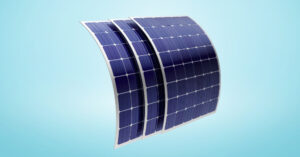
- Flexible and lightweight solar panels: Flexible solar panels are thinner and lighter than rigid modules. They can be fitted on curved or weight-sensitive surfaces. Also, their low weight makes installation easier on some railings and facades. However, they are generally less efficient and have a shorter lifespan than rigid panels.
- Foldable/portable solar panels: Foldable solar panels can be unfolded when needed and stored after use. They are commonly used to charge portable batteries, phones, and small devices. Plus, they do not require permanent mounting.
- Building-integrated photovoltaics: BIPV panels are built into the railing, glass, or facade itself. So, the balcony generates power without looking like it has panels bolted on. They cost more and remain a niche choice in India.
(H2) Are Balcony Solar Panels Eligible for PM Surya Ghar Muft Bijli Yojana Subsidy?
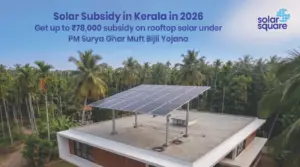
Yes, balcony solar panels can qualify for the PM Surya Ghar Muft Bijli Yojana subsidy. MNRE guidelines specifically include grid-connected residential solar systems installed on balconies, terraces, roofs, elevated structures, and as Building-Integrated Photovoltaic systems.
However, simply placing a solar panel on a balcony does not make it eligible for the subsidy scheme. To qualify for the central government’s subsidy, the system must:
- Be connected to a residential electricity connection
- Be registered through the PM Surya Ghar Muft Bijli Yojana National Portal
- Be installed by a vendor registered on the portal
- Use domestically manufactured Domestic Content Requirement (DCR) and Approved List of Models and Manufacturers (ALMM)-compliant modules
- Meet the applicable Bureau of Indian Standards (BIS), International Electrotechnical Commission (IEC), and Ministry of New and Renewable Energy (MNRE) technical standards
- Pass inspection and approval by the local Distribution Company (DISCOM)
- Use a metering arrangement permitted under state regulations
Off-grid balcony solar systems are not eligible. A grid-connected system without net metering may qualify only when the state regulator permits such systems, and the DISCOM approves the required export-limiting protection.
Why a Small Plug-in Kit May Not Qualify For a Subsidy?
Most plug-and-play kits purchased directly from an online marketplace are unlikely to meet the subsidy process. They may not be installed by a portal-registered vendor, inspected by the DISCOM, or built with DCR, ALMM-listed, and scheme-compliant equipment.
Therefore, treat a small plug-in balcony kit as unsubsidized unless the vendor confirms that it can be registered, inspected, and approved under the PM Surya Ghar process. Check the latest requirements on the official portal and with your local DISCOM before purchasing.
Is Your Balcony Suitable for Solar Panels? A Checklist to Consider
A solar panel for a flat balcony will only perform well if the space gets enough sunlight and can support the installation safely. So, always check the following factors before making a purchase:
- Balcony orientation: The direction your balcony faces has a major impact on solar generation. South-facing balconies usually receive the most sunlight in India. East and west-facing balconies may also work.
- Shade: The panels should receive direct sunlight for several hours, especially between late morning and afternoon. Trees, nearby buildings, walls, and the balcony above can reduce output.
- Available space: Measure the usable railing length, wall area, or floor space. This will determine how many panels you can install and the total system size.
- Structural strength: The railing, parapet, wall, or floor must safely support the weight of the panels and mounting structure. Wind pressure is especially important for balconies on higher floors.
- Socket and wiring: A plug-and-play system needs a suitable electrical connection nearby. The socket, wiring, earthing, and protection devices must be able to handle the system safely.
- Required permissions: Check your housing society’s rules before installation. Tenants should also get permission from the landlord, particularly for fixed mounts or changes to the building exterior.
What Size Balcony Solar System Can You Install?
The right system size depends on the space available on your balcony and how much electricity your flat uses during the day. Since excess generation may not earn any credit without an approved solar power net metering arrangement, the system should be sized close to your daytime load.
Common balcony solar system sizes include:
- 200 to 300 W: Suitable for charging phones and laptops and running a few lights or a fan during the day.
- 400 to 500 W: Can help cover lights, fans, a Wi-Fi router, and other small daytime loads.
- 600 to 800 W: May support the above loads along with part of a small refrigerator’s daytime consumption.
Systems above 1 kW generally need more panel area and stronger mounting support than most balconies can provide. At that point, rooftop solar is the safer and more cost-effective option.
Permissions and Approvals: What You Actually Need?
The approvals required depend on whether the system is removable or permanently mounted, and whether it sends electricity back to the grid.
- Housing society or RWA: A removable system installed within your balcony is usually easier to approve. Written intimation may be enough if it does not affect shared walls or the building exterior.
- Society NOC: You will generally need permission if the installation involves drilling, mounting panels on the facade, or fixing them to railings, parapets, or other shared structures. High-rise societies may also restrict external installations due to wind safety concerns.
- DISCOM approval: This is required if the system exports electricity to the grid and you want net-metering credit. Most small plug-and-play systems are not set up for this.
- Behind-the-meter use: A balcony solar system designed only to reduce electricity consumed inside the flat may not need net metering approval. However, local DISCOM and electrical safety rules should still be checked.
- Landlord consent: Tenants should get written permission before drilling or making any permanent changes. Removable, foldable, or portable systems are usually more suitable for rented homes.
How to Install Solar Panels on a Balcony?
Installing balcony solar panels involves checking the site, choosing the right system, securing the panels, and completing the electrical connection safely.
Here’s a step-by-step guide:
- Check balcony suitability: Confirm the direction, sunlight hours, available space, shading, and structural strength before selecting a system.
- Get the required permissions: Check with the housing society or RWA. Tenants should also get the landlord’s approval before any permanent installation.
- Choose the panel type and system size: Select the panels and capacity based on the available space and your usual daytime electricity use.
- Install the mounting structure: Fix the panels to the railing, wall brackets, or a floor-mounted stand. The structure must hold the panels securely against their weight and wind pressure.
- Position the panels correctly: Install them at an angle that receives the maximum possible solar radiation without blocking access to the balcony.
- Complete the electrical connection: Connect the panels to the microinverter and then to a suitable socket or dedicated circuit with proper earthing and safety protection.
- Use a qualified solar installer: Hard-wired, larger, or grid-connected systems should be installed by a trained solar installer. Even plug-and-play kits should only be connected after checking the socket, wiring, and manufacturer’s safety instructions.
- Monitor and maintain the system: Use a solar energy monitoring app or display to track generation. Clean the panels regularly, as dust, pollution, and monsoon dirt can reduce output.
What are the Pros and Cons of Installing Solar Panels on a Balcony?
Balcony solar panels make solar power possible for apartment residents, but their limited size also limits how much electricity they can generate.
Let’s first have a look at the benefits of using solar panels for balconies:
- Useful when roof access is unavailable: They allow flat owners and tenants to generate solar power without using a shared terrace.
- Suitable for renters: Portable and removable systems can be taken along when moving to another home.
- Simple installation: Small systems may be installed faster and with less civil work than rooftop solar.
- Reduces daytime grid use: The electricity generated can help run lights, routers, chargers, and other small appliances during the day.
- Makes use of unused space: Railings, walls, and balcony floors can be used for power generation without requiring a separate roof area.
Now, let’s check out the disadvantages of balcony solar systems:
- Limited electricity generation: The small installation area means the system can cover only a small portion of the flat’s consumption.
- Not suitable for heavy loads: A balcony solar power system cannot run appliances such as air conditioners, geysers, or induction cooktops.
- Highly dependent on sunlight: Shade from nearby buildings, trees, walls, or the balcony above can reduce generation significantly.
- Lower output in poor weather: Generation falls during cloudy days and the monsoon.
- Permissions may be required: Fixed panels on railings, facades, or shared structures may need approval from the housing society, landlord, or DISCOM.
- Subsidy is harder to access: Balcony solar systems are not automatically excluded from the PM Surya Ghar Muft Bijli Yojana subsidy, but most small plug-and-play kits do not meet the registration, equipment, installation, and DISCOM approval requirements.
Rooftop Solar Systems vs Balcony Solar Panels: Which is Better for Homes, and Why?
Balcony solar is a practical alternative for tenants and flat owners who cannot use the terrace. It can reduce a small part of daytime electricity use, but it cannot match a rooftop system.
Rooftop solar is the better choice for residential and commercial consumers with usable roof access. It delivers higher generation, greater bill savings, better value, and access to subsidy and net metering when installed correctly. In fact, when sized based on the actual energy consumption at your home, rooftop solar can lower electricity bills by 90% or more. So, why wait? Book a free solar consultation with SolarSquare now.
FAQs
How much electricity can balcony solar panels generate?
This is highly subjective. A 300 W to 800 W balcony solar system may generate 1 to 3 units of electricity on a clear day. Actual output depends on the system size, balcony direction, sunlight hours, panel angle, and shade. Also, generation falls on cloudy and monsoon days.
What appliances can balcony solar panels run?
A balcony solar system can help power LED lights, fans, a Wi-Fi router, phone and laptop chargers, and other small appliances during the day.
Can balcony solar run an air conditioner?
No, they can’t. Air conditioners require far more power than a balcony solar system can generate. They would still need electricity from the grid or a much larger solar and battery setup.
What happens during a power cut?
A grid-connected balcony solar system shuts down automatically during a power cut because of anti-islanding protection. An off-grid system with a battery can continue running selected appliances until the stored energy is used.
Is a balcony solar system financially beneficial?
In a way, yes. It can reduce a small part of your daytime electricity bill, but the savings are limited by the system’s size.
Do I need RWA or society permission to install a solar panel on my balcony?
It depends on the type of installation. A removable system kept within your balcony may only require written intimation. Fixed panels attached to railings, façades, parapets, or shared walls generally need approval from the housing society or RWA.
Do balcony solar panels work with net metering in apartments?
They can, but only if the system is grid-connected and approved by the local DISCOM. Most small plug-and-play kits are not net-metered and only reduce the electricity being used inside the flat at that time.
Which direction should my balcony face for best output?
In India, south-facing balconies generally receive the best sunlight. South-east and south-west orientations may also work. A balcony should ideally remain free from shade during the peak daylight hours.
Do I need an electrician, or is it truly plug-and-play?
Some small kits are designed to connect to a suitable socket, but the wiring, socket rating, earthing, and electrical protection must still be checked. Hard-wired or grid-connected systems should always be installed by a qualified solar installer.
Can renters install balcony solar panels?
Yes, renters can choose removable, portable, or plug-and-play systems that do not require permanent structural changes. Landlord approval is still advisable, especially if the installation involves drilling or external mounting.
What happens to excess power when I’m not home?
Without net metering or another approved export arrangement, excess power usually earns no credit. This is why balcony solar systems should be sized close to the flat’s normal daytime electricity use.