

Solar panel insurance protects an installed rooftop solar system against financial loss caused by events such as fire, lightning, storms, floods, and theft. In India, you can buy this protection separately or add it to a home insurance policy. It can cost ~₹1,000 per kW per year. However, this is just an indicative cost. The actual premium depends mainly on the solar plant size, location, coverage, and policy tenure.
Insuring solar panels is different from the panel warranties and maintenance/servicing included with a rooftop solar installation.
- A solar panel warranty addresses eligible equipment defects.
- A solar panel insurance policy responds to external events covered by the policy.
This guide explains everything you need to know about solar panels and insurance, including coverage, common exclusions, approximate premiums, how to choose a policy, and whether your rooftop solar system needs insurance.
What Is Solar Panel Insurance?
Solar panel insurance is a financial protection policy for a rooftop solar system. It can pay for the repair or replacement of insured components damaged by an event listed in the policy, subject to the sum insured, deductible, and other terms.
A rooftop solar system remains exposed to weather and other external risks throughout its operational life.
- A cyclone can damage residential solar panels or the mounting structure.
- Lightning can affect electrical equipment.
- Theft can result in the loss of valuable components.
Insuring solar panels transfers some of this financial risk to the insurance company. However, insurance does not mean every failure or type of damage will be covered.
A claim is payable only when:
- The damaged component is included in the policy.
- The event responsible for the damage is covered.
- The policy was active when the damage occurred.
- The policyholder followed the applicable disclosure and claim requirements.
- The claim exceeds the deductible, where one applies.
For instance, a solar inverter may be listed as insured solar equipment, but this does not necessarily mean that failure caused by an internal defect will be covered. Both the insured component and the cause of damage must qualify under the policy.
How Can a Rooftop Solar System Be Insured in India?
A homeowner can insure a rooftop solar system through home insurance or a separate policy. The appropriate route depends on the existing home policy, the value of the solar photovoltaic (PV) system, and the cover offered by the insurer.
The three acceptable routes are:
- Included within home insurance: The insurer may allow the permanently installed rooftop system to be included in the insured property after it has been declared and accepted.
- Added through an endorsement or add-on: The homeowner can purchase additional protection for the solar installation alongside the existing home policy.
- Covered as specified equipment under a separate policy: The solar system can be individually identified and insured when suitable protection is unavailable under the home policy.
What Does Solar Panel Insurance Cover?
Solar panel insurance coverage can extend to every major component of a rooftop solar system when the insurer declares and accepts those components. It generally applies to physical loss caused by specified natural calamities and other insured events.
Coverage varies between policies. The final policy schedule and wording determine which equipment and events qualify for a claim.
Which Parts of a Solar System Can Be Insured?
Depending on the system and the selected protection, the insured equipment may include:
- Solar panels
- Solar inverter
- Battery energy storage system
- Mounting structure
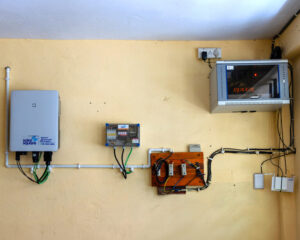
- DC and AC cables
- Junction boxes
- ACDB (alternating current distribution box) and DCDB (direct current distribution box)
- Earthing and lightning-protection equipment
- Monitoring equipment
- Connectors and other associated electrical components
Which Events May Be Covered?
A solar power insurance policy primarily protects the system against physical damage caused by natural calamities specified in the policy.
Depending on the selected plan, covered events may include:
- Fire
- Lightning
- Explosion
- Storms and high winds
- Cyclones
- Floods and inundation
- Hail
- Earthquakes
- Falling trees or other external objects
- Theft or burglary
Check the policy for the precise definition of each event. For example, one plan may include flood and earthquake protection, while another offers them separately. Similarly, theft protection may carry conditions involving forcible entry, security arrangements, or a police report.
What Is Not Covered by Solar Panel Insurance?
Solar panel insurance does not cover every decline in performance, equipment problem, or repair expense. Damage that develops gradually, results from poor solar plant servicing, or falls under a product warranty is outside the scope of insurance.
Common exclusions may include:
- Gradual deterioration
- Rust or corrosion
- Dirt, dust, and soiling
- Existing damage present before the policy began
- Intentional or deliberate damage
- Damage caused by poor servicing
- Manufacturing or material defects
- Performance degradation covered by a panel warranty
- Faulty installation
- Unauthorized alterations to the system
- Cosmetic scratches that do not affect operation
- Loss that cannot be connected to an identifiable insured event
- Damage that costs less than the applicable deductible
The exact exclusions must be read in the selected policy. Don’t interpret an all-risk description as unlimited protection; every policy still includes conditions, limits, and exclusions.
Does Your Existing Home Insurance Already Cover Your Solar Panels?
By default, a home insurance policy does not cover a newly installed rooftop solar system. The homeowner must inform the insurer and add the system through an available solar add-on or endorsement.
Installing rooftop solar changes the value of the insured property. If the system is not disclosed, it may not appear in the property description or be reflected in the sum insured.
How Much Does Solar Panel Insurance Cost in India?
Solar panel insurance costs ~₹1,000* per kW per year in India. Based on this estimate, insuring a 3 kW rooftop solar system may cost ~₹3,000* annually. However, this is only an indicative range and should not be treated as a fixed price for every installation.
*Please note: Insurance companies do not calculate the premium solely by multiplying the plant capacity by a standard per-kW rate. The ₹1,000-per-kW figure can help with initial budgeting, but the actual quote may be higher or lower depending on the system’s value, location, selected coverage, deductible, and policy tenure.
Based on this approximate benchmark, homeowners can use the following table to estimate the possible annual cost of the solar panel insurance:
| Solar System Capacity | Indicative Annual Insurance Cost |
| 1 kW | ~₹1,000 |
| 2 kW | ~₹1,500-₹2,000 |
| 3 kW | ~₹2,500-₹3,000 |
| 5 kW | ~₹4,000-₹5,000 |
Disclaimer: These prices are approximate estimates for initial budgeting only. The actual solar power insurance premium can vary by insurer, plant capacity, system replacement value, location, exposure to natural calamities, components covered, deductible, policy tenure, applicable taxes, and other underwriting conditions. Obtain a written quote and review the policy terms before purchasing cover.
Insurers may also allow you to take cover for 5, 10, or even 25 years. Before choosing a longer tenure, check whether the premium is payable upfront or periodically, whether the insured value changes over time, and how claims will be settled as the system ages.
What Factors Affect the Solar Insurance Premium?
The two main factors influencing the premium are plant size and exposure to natural calamities.
- Plant size: A larger system contains more equipment and has a higher total replacement value. It therefore generally requires a higher sum insured.
- Location risk: A plant situated in an area prone to cyclones, floods, severe storms, earthquakes, or other natural calamities may attract a higher premium because its exposure to damage is higher.
The insurer may also consider the selected events, policy tenure, deductible, installation type, and value of associated equipment. A system with a battery energy storage system (BESS) may need a higher sum insured than an on-grid solar system of the same capacity.
Solar Panel Insurance vs Warranty vs AMC (Annual Maintenance Contract)
Insurance, warranties, and an Annual Maintenance Contract protect a solar system in different situations.
The table below helps you understand who is responsible and what type of problem is covered.
| Protection | Main Purpose | What’s Covered | What’s Not Covered | Responsible Party |
| Product warranty | Protection against equipment defects | Eligible manufacturing and material defects | Storms, theft, and routine servicing & maintenance | Manufacturer |
| Performance warranty | Assurance of minimum retained panel output | Panel degradation beyond the warranted limit under the stated test conditions | Actual monthly solar generation or electricity bill savings | Manufacturer |
| AMC (Annual Maintenance Contract) | Inspection and maintenance/servicing | Services specifically listed in the contract | Usually major accidental damage or damage caused by weather | Service provider |
| Solar power insurance | Protection against financial loss from insured events | Fire, storms, floods, theft | Wear, equipment defects, and other excluded causes | Insurance company |
Is Solar Panel Insurance Mandatory in India?
Solar panel insurance is not a general legal requirement for homeowners purchasing rooftop solar systems in India. However, a lender, housing society, financing agreement, or project contract may require the system to remain insured as a condition of approval or funding.
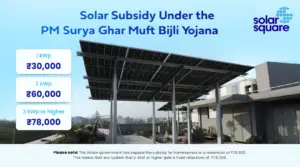
For instance, under the PM Surya Ghar Muft Bijli Yojana framework, insurance is recommended when a rooftop solar project is financed through a Public Sector Undertaking (PSU) loan exceeding ₹2 lakh.
How Do Solar Insurance Policies in India Differ Between Providers and What Should You Compare? A Checklist
Solar insurance policies can differ in the equipment covered, insured events, exclusions, deductible, depreciation, sum-insured requirements, and claim-settlement method. Therefore, compare the scope of protection before comparing premiums.
Use this checklist when comparing different solar panel insurance policies:
- Are panels, inverter, battery, wiring, and mounting structure included?
- Which natural calamities are covered?
- Are floods and earthquakes included or optional?
- Is theft covered, or only burglary involving forcible entry?
- What is the deductible?
- Does the insurer apply depreciation?
- How is underinsurance calculated?
- Are dismantling, transportation, and reinstallation costs covered?
- Must repairs be approved before they begin?
- What documents are required during a claim?
- Does the insurer need to approve the installer?
How to Buy Solar Panel Insurance?
Begin by asking your existing home insurer whether the rooftop solar installation can be included in your current policy. If suitable protection isn’t available, get quotes for separate solar equipment coverage and compare them using the checklist above.
Then, follow these steps to buy the policy:
- Collect the system records: Keep the purchase invoice, installed capacity, component list, installation date, photographs, and replacement value ready.
- Compare the available policies: Check the insured equipment, covered events, exclusions, deductible, depreciation, underinsurance conditions, premium, and claim-settlement basis.
- Choose the sum insured: Include the current replacement value of every component you want covered.
- Disclose the installation accurately: Provide correct details about the system, property, location, previous damage, and any existing insurance.
- Check the final policy documents: Confirm that the issued policy lists the correct equipment, sum insured, coverage period, exclusions, and applicable add-ons.
How to File a Solar Panel Insurance Claim?
If your rooftop solar panels (i.e. installed by SolarSquare) suffer physical loss or damage due to an insured event, notify SolarSquare and the insurance provider immediately. Prompt reporting allows the loss to be evaluated and the claim to be registered without unnecessary delay.
Follow all claim requirements stated in the policy, including instructions on what you should and should not do after the loss. Delayed reporting, disposing of damaged equipment, or taking unapproved action may affect claim assessment.
Documents Commonly Required for a Solar Insurance Claim
The initial claim submission should contain enough information to identify the policy, understand the insured event, and assess the physical damage.
Share the following details and documents wherever applicable:
- Certificate of insurance
- Policy number
- Policyholder’s name and contact details
- Details of the insured event
- A brief statement describing the loss
- Photographs of the physical loss or damage, wherever possible
- Details of any report filed with the police or another relevant authority
- Particulars of any other insurance covering the home building or its contents
The insurer may request additional records after reviewing the initial notification. Submit any further information according to the claim requirements stated in the policy.
Do You Actually Need Solar Insurance?
A properly designed rooftop solar system is built for long-term outdoor use. Quality solar panels can operate for 25+ years, while suitable mounting, earthing, lightning protection, and electrical safety devices help the installation withstand normal environmental conditions. Therefore, separate solar insurance is not necessary for every homeowner.
Additional insurance may be worth considering when:
- The property has a high and recurring exposure to cyclones, floods, severe storms, or other natural calamities.
- The rooftop equipment has a very high risk of theft.
- The system includes a high-value inverter or battery that would be expensive to replace.
- A lender or financing agreement requires insurance.
SolarSquare focuses on building strong, safe, and reliable rooftop solar systems designed to perform for decades. We’re India’s first and only home solar company to offer a savings guarantee with a money-back promise. To know more, book a free solar consultation call with our experts.
Frequently Asked Questions
Can solar power insurance cover third-party injury or property damage?
No, a basic solar power insurance plan does not cover third-party injury or damage to another person’s property. You can add third-party liability protection, subject to the insurer’s terms, coverage limit, and exclusions.
Does solar panel insurance cover lost solar generation?
No. Solar panel insurance does not cover the electricity that the system would have generated while it remained damaged or inactive. It covers eligible physical loss to insured equipment, subject to the policy conditions.
Does home insurance automatically cover rooftop solar panels?
No. A home insurance policy does not automatically cover a newly installed rooftop solar system. The homeowner must disclose the installation and purchase the applicable solar add-on or endorsement.
Does solar panel insurance cover the inverter and battery?
Yes, the inverter and battery can be insured when they are declared, accepted, and included in the policy. Their presence in the installation alone does not establish coverage.
Is solar panel insurance compulsory under the PM Surya Ghar framework?
No. A separate homeowner insurance policy is not universally compulsory merely because a rooftop system is installed under the PM Surya Ghar Muft Bijli Yojana framework. A financing arrangement or another applicable agreement may still impose its own requirement.
Is solar panel damage covered by the manufacturer’s warranty?
A manufacturer’s warranty covers eligible product or material defects according to its terms. It does not ordinarily cover damage caused by floods, storms, cyclones, fire, theft, or other external events.
Can I insure solar panels after installation?
Yes. Solar panels can be insured after installation, subject to the insurer’s assessment and disclosure requirements. Damage that already existed before the policy started will not be covered.
Does the PM Surya Ghar Muft Bijli Yojana subsidy cover insurance costs?
No. The PM Surya Ghar Muft Bijli Yojana subsidy supports the installation of eligible residential rooftop solar systems. It does not separately cover solar panel insurance premiums. Homeowners who choose to insure their systems generally need to pay the insurance cost themselves.
Can I file a claim for solar panel damage under standard homeowner insurance, or do I need a specialized solar insurance policy in India?
You can file the claim under home insurance if the rooftop system is included in the policy and the damage resulted from a covered event. If the system is excluded or undeclared, you may need a suitable add-on, endorsement, or separate solar equipment policy for future protection.