

 20 Reads
 9 mins


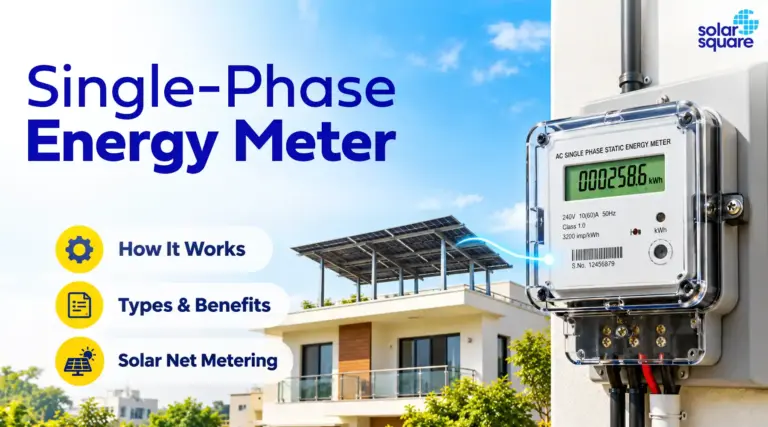
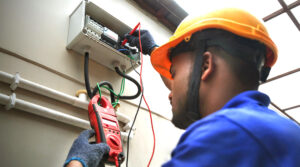
A single-phase energy meter measures how much electricity your home actually uses. It runs on a simple two-wire setup, one phase wire and one neutral wire, which is exactly why it’s the standard meter fitted in most Indian homes.
Older meters use a spinning mechanical disc, while newer electronic ones measure digitally with no moving parts. Because it only handles a household load, it is also simpler to operate than a three-phase meter.
This simple setup makes it a common choice for homes. If you plan to go solar, this meter matters even more, since net metering relies on how your meter records power.
Let’s get into exactly how it works, what’s changed with newer electronic versions, and why this matters if you’re going solar.
What Is a Single-Phase Energy Meter?
A single-phase energy meter measures how much energy a home consumes. It runs on a single-phase supply, which means it only needs two wires: one phase wire, one neutral wire.
That simplicity comes with a trade-off. A single-phase meter carries less power than a three-phase meter, since it’s distributing current across fewer wires.
This is exactly why single-phase meters are built for homes, not factories or large commercial setups. Industrial and commercial buildings, which need far more power, use three-phase meters instead.
A single-phase meter typically handles a maximum voltage of 230V, at a frequency of 50Hz, standard for Indian households.
Single Phase Meter vs Three Phase Meter: Which One Do You Need?
If your home runs on a normal domestic connection, you need a single-phase meter, not a three-phase one. Three-phase meters are built for heavier loads- think factories, large offices, or commercial buildings with big machinery. Here’s how the two actually compare.
| Feature | Single Phase Meter | Three Phase Meter |
| Wires needed | 2 (phase + neutral) | 3 phase wires + neutral |
| Voltage | 230V | 415V (typical) |
| Best for | Homes, small shops | Factories, large commercial buildings |
| Cost | Lower | Higher |
| Power capacity | Lower | Higher |
| Complexity | Simple | More complex |
How Does a Single-Phase Meter Actually Work?
Now that you’re familiar with what a single-phase energy meter is, let’s discuss what goes into making a single-phase electricity meter and how each component ensures efficient functioning of the watt-hour meter or single phase meter.
1. Driving System
Let’s begin with the driving system. This system contains two electromagnets – series and shunt magnets.
The series magnet supplies the load current, whereas the shunt magnet supplies voltage.
When the series magnet winds up, it is known as the current coil; when the shunt magnet does, it is called the pressure coil.
The electromagnet’s core is made of silicon steel and remains laminated. You might ask why lamination is necessary. Well, it helps to reduce electrical losses that usually occur in the form of heat.
A copper band is also attached to the shunt electromagnet’s centre limb that helps to align the magnetic flux in a perpendicular state.
All these occur within the driving system of the single phase energy meter.
2. Moving System
Moving on, the moving system consists of an aluminium disc pressed within the current and pressure coil.
The load and the voltage-current produce alternating fluxes that move through this aluminium disc.
When this happens, an electromotive force (emf) is generated. This force allows eddy current to pass into the disc.
3. Braking System
This is one of the most important components of the single-phase energy meter. The braking system controls the aluminium disc’s rotational speed.
Besides, when the load is disconnected, it helps to bring it to its original state. A braking magnet is situated within the disc that creates braking torque, thereby reducing the speed of the disc.
4. Registering System
Lastly, a registering system counts the number of disc rotations. Note: The disc rotation is proportional to the power consumption. The load’s consumption is measured in kilowatt-hours.
So, these are the four components of the single phase energy meter and the role of each in ensuring effective functioning.
Now, let us familiarise you with the benefits of this meter.
Single Phase Electronic Energy Meter: How It’s Different
A single-phase electronic energy meter works very differently from a mechanical one. Instead of a spinning disc, it uses a small microcontroller chip, a current sensor, and an analogue-to-digital converter. It has no rotating parts inside.
This shift genuinely matters, for a few reasons:
- Higher accuracy: A single-phase electronic energy meter measures consumption more precisely than a mechanical disc ever could, meeting the ±1% or ±2% accuracy classes set by IS 13779.
- Digital display: Readings show up clearly on an LCD screen, instead of a mechanical dial that’s harder to read.
- Tamper resistance: Electronic meters are harder to bypass or manipulate, which cuts down on electricity theft.
- Smart capability: Many electronic meters now support prepaid billing, remote reading, and time-of-day tariff tracking, none of which the old mechanical single-phase meter could ever do.
- Compact size: Without bulky electromagnets and a spinning disc, a single-phase electronic energy meter is noticeably smaller and lighter.
India’s Shift to Smart Single-Phase Meters
Under the government’s Revamped Distribution Sector Scheme (RDSS), India is replacing conventional meters with smart prepaid meters nationwide, one of the largest rollouts of its kind anywhere in the world. States like Uttar Pradesh, Maharashtra, and Tamil Nadu are leading this rollout.
The Central Electricity Authority (CEA) now requires new electricity connections to use BIS-compliant smart meters, tested against IS 16444, wherever the communication network supports it. If your home still runs on an older electromechanical meter, there’s a real chance a single-phase electronic energy meter, or a smart version of one, is on its way to you soon.
Benefits of a Single-Phase Energy Meter
If you are planning to purchase a single-phase electricity meter, know its advantages before purchasing to make an informed decision.
- It is a multi-functional energy meter. In other words, you can use it for prepaid and anti-theft functions.
- The meter requires low power to operate.
- It is lightweight and has a long shelf life.
- The single-phase meter generates accurate results.
- It is compact but provides optimal performance.
- Strong load capacity is one of its important features.
- The electric energy meter can calculate twelve time periods and four rates. Each period and multi-tariff rate can be adjusted if required.
- The meter is equipped with a real billing function.
Single Phase Meter for Solar: What CEA’s Net Metering Standards Say
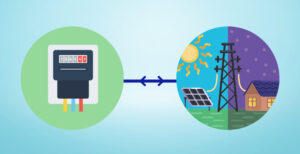
If you’re installing rooftop solar, you need a specific type of single-phase meter, a bi-directional net meter. This isn’t a regular single-phase meter. It’s built specifically to track power moving in both directions. It tracks what you draw from the grid and what your panels export back to it.
The Central Electricity Authority has published detailed technical specifications for exactly this, covering both static and smart net meters for single-phase and three-phase solar applications. These specifications require the meter’s base, cover, and terminal design to meet IS 16444 Part 1 or IS 13779, and the rated frequency must be 50 Hz, in line with India’s grid standard.
Source: Central Electricity Authority, Technical Specification for Net Meter for Solar Application.
This matters more than it might seem. A poorly specified or incorrectly installed net meter can delay your solar connection, or worse, fail to credit you properly for the power you export. Getting this right is exactly why choosing the right solar installer matters one who handles your net metering application correctly the first time.
At SolarSquare, this is handled as a core part of every installation. We manage your entire net metering and subsidy paperwork end-to-end, using correctly specified, BIS-compliant single-phase meters, so your system starts earning you real credits from day one, not weeks later after a rejected application.
Conclusion
The single-phase energy meter is ideal for daily household use. It has a simpler network than the three phase energy meter.
If you’re looking for an energy meter that can measure power in residences, considering a single-phase electricity meter is the best choice.
Should you consider buying it? Definitely, yes! You can consider buying a single-phase energy meter as it is easier to use and install than a three-phase energy meter.
Besides, it provides accurate energy readings whenever you wish to use it. Apart from this, it comes at a much cheaper rate than the three-phase energy meter as fewer conductors are used in its making.
Frequently Asked Questions
What is an energy meter?
An energy meter is a device that calculates the power consumption in residential, commercial, and industrial settings and displays it on the device. The meter helps to keep track of energy usage at a specific time. You can use it for billing and monitoring purposes.
How do I read my single-phase meter?
Reading a single-phase energy meter is not complex. You’ll find a display register that shows recorded registers, meter readings, and the power consumed at different tariff rates. There’ll be a section where you’ll find the serial number of your energy meter.
You’ll also find a pulse indicator that will indicate (on and off) during electricity usage.
This indicator will flash rapidly if household appliances are using excessive energy. If not, you can be assured that the power usage is controlled. A scroll button will also show the next reading register display on click.
How does a single-phase energy meter actually operate?
The single-phase energy meter works on two mechanisms: The mechanism of an aluminium disc rotating at a speed similar to the power consumption and the means of calculating and showing the power transferred.
Do I need a special meter for solar at home?
Yes, a rooftop solar system needs a bi-directional net meter, a specific type of single-phase (or three-phase, depending on system size) meter that tracks both the power you draw from the grid and the power your panels send back to it.
What is the difference between a single-phase meter and a single-phase electronic energy meter?
A single-phase meter is the general term for any meter measuring single-phase power use. A single-phase electronic energy meter is a specific, modern type that uses digital circuitry instead of a spinning disc, offering better accuracy, a digital display, and smart features like prepaid billing.
Is a single-phase meter enough for my whole house?
For most Indian homes, a single-phase meter comfortably handles typical household loads, fans, lights, a fridge, ACs, and general appliances. In case of high-load homes or commercial spaces usually need a three-phase connection instead.
How do I know if my meter is BIS certified?
Check the meter’s nameplate. A genuine, compliant single-phase electronic energy meter will display its BIS certification mark along with the relevant IS standard number, either IS 13779 or IS 16444, as required by India’s Quality Control Order.


 Previous Article

 13 min