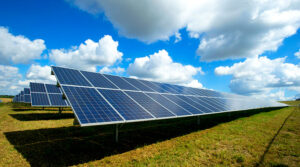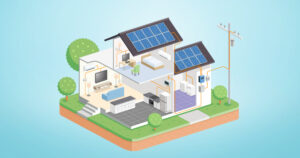


Pigeons often move in under rooftop solar panels within weeks of installation. The warm, sheltered gap between the panel and your roof is an ideal nesting spot, and the droppings, twigs, and noise follow. Pigeon proofing solar panels works by blocking the gap before they settle:
- You can install a solar panel bird mesh around the open perimeter of your panels
- You can go with solar skirts, which are custom metal or heavy-duty plastic shields to close off the gaps
- You can use bird spikes made up of polycarbonate/stainless steel
- The visual decoys (fake owls or hawks) can also provide temporary solutions
One thing to check first. How the guard is fitted matters. Drilling or clamping mesh onto the panel frame or mounting structure can void your panel or mounting warranty. So ask your installer how it should be fixed before anyone goes up on the roof.
This guide is for homeowners who already have rooftop solar, or are about to get it, and want to keep pigeons out without damaging the system. You will learn why pigeons pick this spot, what problems they cause, how to stop them nesting, what to do if they are already there, and what to ask your installer. The pigeon proofing solar panels cost in India depends on the length of your panel edge and the material you choose. We share price ranges and what drives them so that you can judge a quote with confidence.
| Method | Best For | Durability | Effectiveness |
| Mesh with clips | Closing the gap under panels | High (years, if good material) | High |
| Solar panel skirts | Low-visibility gap closure | High | High |
| Bird spikes | Ridges, edges, ledges | High | Moderate (only for perching, not gaps) |
| Bird netting | Large open terraces | Moderate to high | High for open areas |
| Decoys/statues | Short-term deterrence | Low | Low, declines over time |
Why Pigeons Nest Under Solar Panels
Pigeons usually nest under solar panels because it is a perfect hidden place that looks like their natural habitat. The gap under the panels also provides shade, warmth, and a dry environment good for them and their squabs.
- The gap under the panel is a perfect nest site: You may have noticed solar panels sit slightly raised off the roof, usually to allow airflow and the right tilt angle. This creates a shallow, sheltered gap, which is an ideal place for any bird to live. It’s warm, dry, shielded from wind and rain, and mostly out of the predators’ reach.
- Roofs and terraces already attract pigeons: In most places in India, pigeons are very common on roofs and terraces. Even if you have not installed solar panels, rooftops already attract pigeons. Open water tanks, nearby food sources, ledges, and parapets all make a terrace attractive. When you install a rooftop solar system with a sheltered gap under solar panels, you’ve essentially built them a ready-made home.
- Once pigeons nest, they tend to return: Pigeons are creatures of habit. A pair that successfully raises chicks under your panel will often come back to the same spot for future broods. This is why early prevention matters so much more than dealing with it after the fact.
How to Prevent Pigeons Under Solar Panels: 6 Methods
Use mesh with non-penetrating clips around the panel edges, paired with spikes on nearby perching spots to stop pigeons from nesting under solar panels. Solar panel skirts and removing food or water sources help too. Below are all 6 methods explained in detail.
1. Solar Panel Mesh with Clips (Best Option)
Using solar panel mesh with clips is one of the most effective and recommended methods to prevent pigeons from nesting under solar panels. A mesh barrier is fitted around the panel’s perimeter, closing off the gap underneath. The clips are used to attach this mesh. These non-penetrating clips grip the panel frame without drilling into it.
You must make sure you use PVC-coated stainless-steel mesh, which holds up far better over years of sun and rain compared to cheap galvanised wire mesh, which tends to rust and sag.
2. Solar panel skirts
Skirts are a low-visibility alternative to mesh. They run along the edge of the panel array, closing the gap in a way that’s barely noticeable from the ground. They work on a similar principle to mesh but tend to blend in more visually.
3. Bird spikes
Spikes work well on ridges, edges, parapets, and any flat surface where pigeons like to perch before moving in. They’re not a substitute for closing off the gap under the panels, though. Spikes stop birds from landing on a surface; they don’t stop birds from entering an open gap. You can use them alongside mesh, not instead of it.
4. Bird netting
If you have a large terrace or open areas with a lot of exposed roof space, netting can cover a wider area than mesh or skirts alone. You must use bird netting for bigger installations or terraces where pigeons have multiple potential landing and nesting zones, not just the space under the panels.
5. Decoys and predator statues
You can add fake owls or predator decoys that can provide short-term deterrence. The catch is pigeons are smart enough to figure out a decoy isn’t a real threat once it stays in the same spot for a while. You can treat this as a minor, temporary measure at best, not a real solution.
6. Remove food, water, and perches
If you want to keep pigeons away from your panels, start by removing what draws them there in the first place. Clean up any open waste or food scraps lying around. Cover up standing water in open tanks. And trim back any overhanging tree branches, since they give birds an easy landing spot right next to your roof.
Problems Pigeons Cause Under Solar Panels
Pigeons nesting under your panels brings dirty droppings, a real fire risk from nesting material near wires, possible cable damage and hot spots, plus noise, mess and health concerns from the droppings. Here’s a closer look at each one.
- Droppings and soiling: Pigeon droppings build up on and around the panels over time. This affects the overall efficiency of the solar panels. A panel covered in droppings simply can’t soak up as much sunlight as a clean one, which means it generates less power than it should.
You can’t really control what the birds do. But you can control how clean your panels stay, either by handling it yourself or bringing in a professional.
At SolarSquare, we provide a solar energy monitoring system through which you can track how much solar electricity your system makes and how much of it is consumed at home, sent to the grid, and stored in the battery. On top of that, we offer a minimum of 36 maintenance visits over 4 years* for deep cleaning and preventive checks, so dropping output doesn’t catch you off guard.
- Nesting material near wires and junction boxes: Pigeons build nests from dry twigs, leaves, and debris. If this material ends up near your system’s wiring or junction box, it raises a genuine fire risk, especially in dry, hot weather. You cannot keep your eyes on these things every day; you can occasionally clean or take professional help to clean your panels or underneath.
- Damage to cables and hot spots: Pigeons can peck at or dislodge solar DC cables or wires while nesting. Droppings and debris sitting on a panel’s surface for long periods can also create shaded patches. In some cases, this can lead to localised heating, known as hot spots, on the panel.
- Noise, mess and blocked drains: Beyond the technical side of things, pigeons nesting under your panels brings their own everyday headaches too. Think constant cooing at odd hours, feathers and droppings scattered all over your terrace. Sometimes nesting material can end up clogging your roof drains once the monsoon rolls in.
- Health risks from droppings: Pigeon droppings aren’t just unpleasant to clean up. The U.S. Centers for Disease Control and Prevention notes that inhaling dust from dried bird droppings, including pigeon droppings, has been linked to respiratory illnesses such as histoplasmosis and cryptococcosis, particularly when large amounts accumulate in enclosed or poorly ventilated spaces
Signs Pigeons Are Nesting Under Your Panels
Not sure if you already have a problem? If you notice two or more of these, it’s worth checking under the panel directly, or calling in a professional to look. Look out for:
- Droppings or feathers collecting at the lower edge of the panel
- Twigs or nesting debris visible under the frame
- Cooing sounds coming from under the panels, especially early morning
- Birds repeatedly flying in and out of the same gap
Why Airflow and Warranty Matter When Proofing
If you have solar panels at home, you should know the panels need airflow underneath to stay cool. A panel that runs hotter than it should loses efficiency. So you should avoid sealing the gap completely with a solid sheet or board, even if it seems like the simplest fix.
Instead of using a solid sheet or board, mesh allows air to pass through while still keeping birds out, which is exactly why it’s the preferred method.
Also, make sure you never drill into the panel frame, and never fix anything directly to the glass. Both of them can void your manufacturer’s warranty immediately. Before doing any DIY proofing work, check your installer’s warranty terms first. Some installers include specific conditions about what modifications are and aren’t allowed on the mounting structure.
Already Have Pigeons Nesting? Do This First
Before disturbing the nest, you must check the legal position first, wait until it’s abandoned if there are eggs or chicks, clean the area safely, and seal the gap right after so the pigeons can’t come back.
- Check the legal position: Pigeons in India fall under general bird protection provisions, and interfering with an active nest isn’t something to do casually. You must check with a local pest control or wildlife professional about your specific situation before removing any nest, rather than assuming it’s fine to clear it out yourself. Rules and local interpretation can vary, so this is one area where it’s worth getting it right rather than guessing.
- Wait until the nest is abandoned: If there are eggs or chicks present, the safest and most humane approach is to wait until the nest is naturally abandoned, or the chicks have fledged.
- Clean and disinfect the area safely: Once the nest is empty, clean the area properly. Wear gloves and a mask, and use a damp cloth or spray to wipe down droppings rather than dry-sweeping them, which can send dust and particles into the air.
- Install mesh straight afterwards: Don’t leave the gap open once you’ve cleaned it. Pigeons will return to a spot that worked for them before. Installing mesh or a skirt immediately after cleanup is what actually stops them from coming back.
How Much Does Pigeon Proofing Solar Panels Cost in India?
The pigeon proofing solar panels cost depends on a few factors: the total perimeter length of your panel array, how high up your roof is, the type of mesh used, and whether the job also includes a full cleaning of existing droppings and debris.
Prevent It from Day One: What to Ask Your Solar Installer
The cheapest and easiest time to pigeon-proof your system is during installation itself, before any bird has had the chance to settle in. You must ask your installer directly whether bird-proofing can be included as part of the original setup.
Also ask about your solar mounting structure height and gap size. Flush-mount systems, which sit closer to the roof with a narrower gap, tend to see this problem less than elevated mounting structures with a wider clearance underneath.
You must ask your solar installer about their standard approach to this issue, whether proofing is offered as part of the installation package, and what material and clip type they use.
Conclusion
Pigeons settling under your solar panels isn’t just a mess to clean up. It’s a fire risk, a maintenance headache, and a health consideration. To prevent this:
You can block the gap with proper mesh and non-penetrating clips, add spikes on perching spots nearby, and keep the roof area clean. Ideally, you must plan for all of this during installation rather than after the birds have moved in.
If you’re installing solar or already dealing with this issue, it’s worth talking to your installer about building proofing into the plan from day one. A quick consultation with SolarSquare can help you figure out what your specific roof and system actually need.
Frequently Asked Question
Can pigeons damage solar panels?
Not directly; they’re not going to crack your panel glass or anything like that. But their droppings pile up and make the panels dirty, any nesting material sitting near your wiring can be a fire risk, and if debris builds up long enough, it can create shaded patches that turn into hot spots.
Does mesh reduce power output of the solar panels?
No, mesh sits around the edges of the panel, not across the surface, so it’s not blocking any sunlight or airflow. It shouldn’t affect your system’s output if installed correctly by someone who understands panel placement.
Does proofing void the solar panel warranty?
It can, but only if it’s done the wrong way. If you are drilling into the panel frame or sticking anything onto the glass, that can void your warranty. You can use non-penetrating clips; they hold the mesh in place without touching the panel itself.
Is it legal to remove a pigeon nest?
This depends on local rules and whether the nest is active with eggs or chicks. You must check with a local pest control professional or your municipal authority before removing any nest, rather than assuming it’s permitted.
Do spikes alone work for pigeons nesting under the solar panels?
Spikes are great for stopping pigeons from perching on ledges and flat edges, but they won’t do anything about that open gap under your panels. You really need mesh alongside the spikes if you want this handled properly.
How long does mesh last?
This depends heavily on material quality. PVC-coated stainless-steel mesh tends to last several years with minimal degradation, while cheaper galvanised wire mesh can rust and weaken much sooner, especially in humid or coastal regions.