

 33 Reads
 11 mins


Yes, Solar panels work in winter. The best part is that solar panels generate electricity through sunlight, not heat. Even solar panels in winter have better performance in cold temperatures.
During winter, the days are shorter than in summer; sunlight can be affected by cloud cover, or panels may be covered with snow. These factors will surely reduce the output. The good part is that even if the solar panels are in snowy areas, if sunlight intensity is high and reaches the surface, the panels will produce electricity.
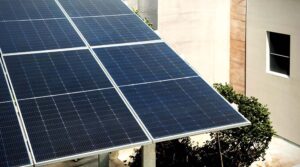
The slanted, dark reflective surface of the panels allows the snow to melt or slide off very quickly. In case of heavy snowfall, we may need to remove the snow manually to maintain the process.
In this blog, we will break down how solar in winter performs properly because there’s a lot of misinformation floating around, and homeowners deserve a straight answer before they invest in a solar PV system.
Do Solar Panels Work in Winter?
We usually get confused between the heat and the light. During the summer, the light as well as its heat, is at its peak, but we only need light to generate electricity. In winter, although the heat and light intensity are low, it can still generate electricity with that light.
It’s a misconception that solar works only in summer. Solar panels are photovoltaic devices. They convert photons, the particles of light, into electricity. Heat has nothing to do with that process.
So even on a cold, crisp winter morning, as long as sunlight is hitting your panels, they’re generating power. In fact, solar power in winter is more efficient than in sunny climates. Hill stations and northern states in India see solid solar output on clear winter days, sometimes better than you’d expect.
How Does Solar in Cold Weather Actually Help?
This is the part that surprises most people. The efficiency of solar panels in winter is slightly higher than in extreme heat. Here’s why. Solar panels are made of semiconductor materials, usually silicon. When these materials heat, their electrical resistance increases. More resistance means the panel produces slightly less voltage. Less voltage means slightly less power output.
This is measured by something called the temperature coefficient. Most solar panels lose around 0.3%-0.5% of their maximum power output for every 1°C increase in module temperature above the standard 25°C reference. So, on a scorching summer afternoon, your panels are actually working a little harder just to keep up and are losing some efficiency to heat.
In winter, when temperatures drop, that resistance drops too. The panels operate closer to their optimal condition. So, a cold, sunny winter day can sometimes produce cleaner, more efficient power per hour of sunlight than a blazing hot summer day.
This doesn’t mean winter beats summer in total output. It just means cold isn’t the enemy people assume it is.
Factors Reducing the Solar Output in Winters
Now the question is, if cold weather is not the problem, what is? A few real factors, like shorter days, cloudy weather, and dust, can affect winter generation. Some of the factors reducing solar panel performance in winter are discussed below:
- Shorter days: This is one of the crucial factors that reduces the overall output. In winter, the sun rises late and sets earlier. The daylight hours get reduced, which simply means fewer hours of generation. In addition, the sun sits lower in the sky throughout the day. Sunlight hits the Earth at a more slanted angle, which spreads the same amount of energy over a larger area, which reduces the intensity of light hitting a fixed panel.
- Cloudy weather: Winter in many parts of India brings dense fog, especially in the north. Delhi, Punjab, Haryana, and parts of UP experience thick fog through December and January. Fog and heavy cloud cover scatter and block sunlight, which reduces the output on those specific days.
- Dust and haze: Ironically, winter air in many Indian cities carries more particulate pollution, which can settle on panels and reduce the intensity of light reaching the cells.
- Snow cover: In hill states like Himachal Pradesh, Uttarakhand, or parts of Kashmir, actual snowfall can cover panels completely for a short period. While snow sits on the panel, it blocks light, and generation drops to near zero temporarily.
If we look at all the problems, none of these are permanent problems. They’re seasonal dips, and a well-designed solar PV system accounts for them.
Solar in Winters: Geographical Context
India isn’t uniformly cold in winter, so solar panel output in winter depends on where you live.
In most of central, western, and southern India, winters are mild. Cities like Mumbai, Pune, Hyderabad, Bengaluru, and Chennai see minimal drops in solar performance. Sunny days remain common, and temperatures rarely get cold enough to matter.
North India is where the story gets more interesting. Delhi NCR, Punjab, Haryana, and parts of UP and Bihar experience genuinely cold winters along with dense fog, especially in December and January. On foggy days, generation can drop noticeably. But clear winter days in these regions, cold and bright, often generate power efficiently, sometimes even better per panel than a hazy summer afternoon.
Hill states like Himachal Pradesh, Uttarakhand, and parts of Jammu and Kashmir see the most seasonal variation due to actual snowfall and shorter daylight hours at higher altitudes.
The key takeaway is that a solar panel system in India is designed around your region’s yearly average, not just one season. A well-planned system in Delhi, for instance, is sized to make up for foggy winter dips with strong output the rest of the year.
Drop in Electricity Generation: Summer vs Monsoon vs Winter
The table below shows how much daily generation you can expect from a 1 kW solar system across summer, monsoon, and winter. This gives you a clear, side-by-side comparison of how output shifts through the year.
| Cluster | Summer generation (per kw per day) | Monsoon generation (per kW per day) | Winter generation (per kw per day) | % drop in generation |
| Pune | 4.49 | 2.58 | 4 | 13% |
| Indore | 4.76 | 2.9 | 3.67 | 28% |
| Ahmedabad | 5.05 | 3.3 | 3.87 | 28% |
| Bengaluru | 4.27 | 3.41 | 4 | 7% |
| Bhopal | 4.83 | 2.99 | 3.67 | 30% |
| Delhi | 4.58 | 3.55 | 2.77 | 50% |
| Hyderabad | 4.35 | 3.23 | 3.87 | 12% |
| Jaipur | 4.83 | 3.62 | 3.44 | 35% |
| Lucknow | 4.55 | 3.4 | 2.76 | 50% |
| Nagpur | 4.64 | 2.96 | 3.82 | 21% |
| Chennai | 4.82 | 3.5 | 3.75 | 15% |
As you can see, cities like Delhi and Lucknow see a generation drop by as much as 50% from summer to winter, largely due to fog and smog. Bengaluru and Hyderabad, on the other hand, see a much smaller seasonal dip, just 7% in Bengaluru and 12% in Hyderabad.
But here’s what really matters: look at the full year, and the picture stays bright. Solar works in every season. The sun rises every day, and every day, it generates free electricity for your home.
*Please note that the above unit generation is valid for a 1 KW system, which may vary depending on the type of panel.
How Net Metering Balances the Seasons
Most residential solar systems in India are connected to the grid through net metering. During sunny months, your panels often generate more electricity than your home uses. That extra electricity doesn’t go to waste. It flows back into the grid, and your electricity provider credits you for those units.
Then, on solar panels on cloudy days or during winter, when solar generation may dip slightly, you can draw some extra power from the grid. The credits accumulated during sunnier months can help offset your winter electricity usage.
Your on-grid solar system doesn’t need to produce equally every single day. It needs to produce enough across the year. Summer surplus covers winter dips. This is exactly how solar is meant to work, and it’s a big reason why worrying about whether solar during winter misses the bigger picture. Your system is designed around annual performance, not daily perfection.
Things that can Maintain Solar Panel Efficiency in Winters
We have zero control over the weather, sun intensity, and sun hours on which solar performance relies. Still, there are things that we can take care of to make sure we generate good output in the winter as well. Some of the factors that can improve the efficiency and power output in winter are given below:
- Keep panels clean: Dust, fog residue, and grime build up more in winter air in many cities. A simple cleaning every few weeks helps panels capture as much light as possible.
- Check for shading: With the sun sitting lower in the sky during winter, shadows from nearby trees, buildings, or structures fall differently than in summer. Something that didn’t block your panels in June might cast a shadow in December. It’s worth checking.
- Do not worry about snow: If you live in a snow-prone area, let the panels clear naturally where possible. Manually removing snow from a rooftop panel can be risky and isn’t usually necessary.
- Monitor your solar generation: Most modern solar systems come with an app or dashboard showing daily output. Keeping an eye on this helps you spot real issues, like a fault or heavy shading, versus normal seasonal variation. At SolarSquare, we have a solar energy monitoring system through which you can track real-time solar performance and detect critical issues.
- Get an annual system check: A quick inspection before winter sets in can catch loose connections, minor wear, or panel angle issues before they become bigger problems.
Switch to SolarSquare for Guaranteed Savings and Solar Generation
Everything we’ve talked about- tilt angle, shading, system sizing, snow shedding, net metering- comes down to one thing. How well your solar PV system was designed and installed in the first place.
A poorly planned and installed system with wrong angles and no accountability for your region’s seasonal patterns will surely underperform in winters. This is exactly where SolarSquare makes the difference.
SolarSquare is India’s #1 home solar company, with over 15,000 customer reviews and an outstanding Google rating of 4.8. SolarSquare guarantees maximum efficiency and power generation, even in winter or in cold weather.
We use panels from the best solar panel brands. These panels are ALMM-certified, DCR-compliant panels, so you’re not relying on questionable equipment when the seasons change. Every system comes with a proper net metering setup, so your summer surplus genuinely works for you in the leaner winter months. And our monitoring tools let you track real-time and historical generation, so you always know exactly how your system is performing, whatever the weather.
Whether it is winter or high winds, our advanced systems, including the WindPro Mount™ for cyclone resistance and GoodZero’s 5*year savings guarantee, are engineered to perform in all weather conditions.
*Please note that since June 2026, we have offered only TopCon panels in Uttar Pradesh and Nagpur, backed by a 4-Year GoodZero Savings Guarantee with a money-back promise. All other terms and benefits of the GoodZero plan remain the same.
For all other states except Uttar Pradesh and Nagpur, our 5-Year GoodZero Savings Guarantee with a money-back promise continues to be available as of now.
Start your solar journey today with a custom-designed system tailored to your home and energy needs. Book your free consultation now and take the first step towards guaranteed electricity generation and long-term savings!
Frequently Asked Questions
Do solar panels stop working when it snows?
Solar panels stop generating when snow physically covers the panel’s surface. Once it slides off or melts, usually within a day or two, the solar panels’ output returns to normal. If the solar panels are covered in snow but sunlight intensity is high and reaching the surface, the panels will produce electricity.
Is solar worth it if I live in a foggy city like Delhi?
Yes, you can still go for solar. In a city like Delhi, fog may appear for a limited number of winter days. The rest of the year, especially summer and post-monsoon months, the sun intensity is high, and so is the generation. In addition, net metering ensures your yearly savings still add up.
Do I need to change my panel’s angle for winter?
You cannot adjust the panel angle throughout the year. Most rooftop systems are installed at a fixed, optimal tilt calculated for your location’s full-year sun path. This tilt already balances summer and winter sun angles, so no manual adjustment is usually needed.
Will my electricity bill go up in winter because of lower generation?
If your system uses net metering properly, your electricity bill will not go up. Net metering ensures units you exported during high-generation months offset the units you draw during lower-generation winter days, keeping your annual bill low.
Do cold temperatures damage solar panels?
No. Panels are built to withstand a wide temperature range, including sub-zero cold, and are tested for durability in extreme conditions before certification. Cold weather doesn’t damage them. Instead, it helps them run more efficiently.


 Previous Article
 27 min