

CSPDCL net metering, where CSPDCL stands for Chhattisgarh State Power Distribution Company Limited, allows rooftop solar consumers in Chhattisgarh to send surplus solar electricity to the grid and adjust it against the electricity they draw from the grid.
Under the state’s net metering CSERC (Chhattisgarh State Electricity Regulatory Commission) Regulation 10.2, eligible consumers can install rooftop solar systems ranging from 1 kW to 500 kW, subject to their sanctioned load and applicable technical requirements.
Source: CSERC Regulations, Regulation 10
To apply for a residential rooftop solar net metering connection under the PM Surya Ghar Muft Bijli Yojana in Chhattisgarh, you must register through the official national portal website. A separate application on the CSPDCL DISCOM (distribution company) website is not required for this registration route.
This blog explains how CSPDCL net metering works, who qualifies, what documents you need, and how to complete the application process.
What Is CSPDCL Net Metering in Chhattisgarh?
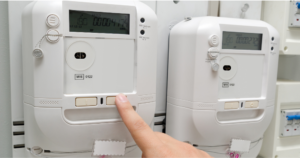
CSPDCL net metering is an arrangement in which a bidirectional electricity meter or smart meter records the power a consumer imports from the grid and the surplus solar electricity exported to it. The Chhattisgarh State Electricity Regulatory Commission (CSERC) regulates the net metering arrangement, and CSPDCL implements it.
When rooftop solar power panels for homes generate more electricity than a home needs, the excess flows into the CSPDCL grid. When solar generation is insufficient, the home draws electricity from the grid. Both import and export are recorded separately by the net meter and accounted for under the applicable billing rules.
The PM Surya Ghar Muft Bijli Yojana portal also publishes rooftop solar application and installation data for CSPDCL. The following table shows the DISCOM’s progress as of October 13, 2026.
| Particulars | CSPDCL Data |
| Applications received | 2,34,428 |
| Solar installations completed | 1,17,549 |
| Households covered | 1,19,971 |
| Total installed solar capacity in megawatts (MW) | 416.71 MW |
| Subsidy released in lakhs | ₹67,721.01 |
Source: PM Surya Ghar: State/UT-wise Progress Dashboard
Please note: These figures represent rooftop solar progress reported for CSPDCL under PM Surya Ghar as of October 13, 2026. They do not separately indicate the number of net metering approvals.
Who Is Eligible for CSPDCL Net Metering?
Consumers with an eligible electricity connection in CSPDCL’s supply area can apply for net metering, subject to system capacity and technical requirements. The rules cover different consumer categories, although eligibility for the PM Surya Ghar Muft Bijli Yojana residential subsidy is more restricted.
The main conditions are as follows:
- Existing CSPDCL connection: You must have an eligible electricity connection within CSPDCL’s supply area.
- Solar system capacity: Under Regulation 10.2, the permitted net-metered system capacity ranges from 1 kilowatt (kW) to 500 kW.
- Sanctioned load: The proposed solar capacity must not exceed your sanctioned load or contract demand.
- Technical feasibility: The installation must satisfy the applicable grid connectivity, metering, and electrical safety requirements.
- Consumer category: Residential and other eligible consumers can participate in net metering, but PM Surya Ghar’s Central Financial Assistance (CFA) is subject to separate residential eligibility conditions.
For example, if a homeowner has a sanctioned load of 3 kW, they can generally install a rooftop solar system of up to 3 kW, provided they meet the other requirements. Although the maximum permitted capacity under the regulations is 500 kW, the actual capacity allowed for each consumer depends on their sanctioned load and other applicable rules.
Source: CSERC Regulations, Regulation 10.
What Documents Are Required for CSPDCL Net Metering?
Consumers applying for CSPDCL net metering should keep their electricity connection details, personal information, and relevant rooftop solar records ready. The PM Surya Ghar subsidy process begins with consumer registration, while installation and commissioning documents matter later.
The following table separates the information required at registration from documents associated with subsequent processing.
| Document or Information Required | Purpose |
| CSPDCL consumer account number | Identifies the electricity connection during application |
| Latest electricity bill | Helps verify account details and sanctioned load |
| Registered mobile number | Used for registration and One-Time Password (OTP) verification |
| Consumer name and address | Required for consumer profile details |
| Email ID and PIN code | Used to complete the registration profile |
| Rooftop solar system details | Required for processing the proposed installation |
| Net metering agreement | Formalizes the arrangement between the consumer and CSPDCL |
| Work Completion Report | Confirms that installation work has been completed for inspection |
| Bank account details | Required for subsidy disbursement |
An electricity bill helps you find the correct consumer number, but it is not a mandatory upload at every registration stage.
Technical records, installation details, and commissioning documentation are generally prepared or coordinated by the solar installation company. The portal may request additional documents based on the applicant’s category and the requirements displayed.
Sources: PM Surya Ghar Portal and CSERC Regulations, Regulation 15.
How to Apply for CSPDCL Net Metering in Chhattisgarh?
Residential consumers applying for rooftop solar in Chhattisgarh under the PM Surya Ghar Muft Bijli Yojana must begin their CSPDCL net metering application through the PM Surya Ghar National Portal for Rooftop Solar. The initial steps include mobile verification, profile registration, and submitting electricity connection details. CSPDCL then handles the applicable verification and grid connection procedures.
Here’s a step-by-step guide to applying for net metering in Chhattisgarh.
Step 1: Register on the PM Surya Ghar Portal
Visit https://pmsuryaghar.gov.in/, and then follow the steps listed below:
- Click Apply Now on the consumer page. Alternatively, select Consumer Login from the Login dropdown.
- Enter your registered mobile number and the displayed captcha.
- Accept the scheme guidelines and click Verify.
- Enter the OTP received on your mobile number.
- Click Login to continue.
After logging in, complete your consumer registration profile by providing your name, email address, residential address, state, district and PIN code.
Click Save to complete this stage.
Step 2: Select Chhattisgarh and CSPDCL
Once your registration profile is saved, you can begin the rooftop solar application.
- Select Apply for Solar Rooftop or the relevant application option.
- Choose Chhattisgarh as your state.
- Select CSPDCL as the electricity distribution company.
- Enter your CSPDCL consumer account number.
- Click Fetch Details.
- Check the consumer information displayed on the screen.
- Click Next to continue.
You can find your consumer account number on your CSPDCL electricity bill.
Make sure you choose the correct DISCOM and electricity connection. Incorrect consumer details may prevent the application from proceeding.
Step 3: Submit the Rooftop Solar Application
After your electricity connection details are verified, complete the remaining rooftop solar application fields displayed on the portal.
- Provide the requested information about your proposed installation and review all entries before submission.
- Once submitted, the application enters the applicable processing workflow.
There is no need to initiate another net metering application separately on CSPDCL’s website.
Step 4: Complete CSPDCL Verification and Installation Formalities
After application submission, the proposed rooftop solar connection must satisfy the applicable technical requirements.
- CSPDCL’s responsibilities include processing the connection request and ensuring that the proposed solar installation complies with grid connectivity requirements.
- Once the necessary approval conditions are fulfilled, you can proceed with installation through a suitable registered/empanelled solar company.
The installation must meet applicable electrical safety and equipment requirements. As a consumer, you must also complete the required net metering agreement formalities.
Under Regulation 15.4 of the CSERC framework, you must submit the completed net metering agreement online within 30 days of receiving the Letter of Approval (LoA). CSPDCL must then sign or digitally sign the agreement within three days of receiving it.
Source: Page 10 of Regulation 15.4, titled Signing of Agreement.
Step 5: Complete Inspection, Net Meter Installation, and Commissioning
After the rooftop solar system is installed, the Work Completion Report is submitted. CSPDCL then undertakes the required inspection and safety checks before synchronizing the solar system with the electricity grid.
- Under Regulation 15.6(B) of the CSERC framework, CSPDCL must conduct system inspections and safety checks within seven days of receiving the Work Completion Report for solar systems smaller than 500 kW.
- If the report is unsatisfactory, the consumer must resolve the identified issues within seven days of receiving the notification and resubmit it.
Source: Regulation 15.6(B) of the CSERC framework
The rooftop solar system can then operate under the approved net metering arrangement.
How Does CSPDCL Net Metering Billing Work?
Under CSPDCL net metering, your electricity bill accounts for the units imported from the grid and the surplus solar units exported to it. The exported units are adjusted against imported electricity under applicable CSERC rules, reducing the units you are billed for.
To understand this better, let’s consider this example for one billing period.
| Particulars | Electricity Units |
| Electricity imported from CSPDCL | 300 units |
| Surplus solar electricity exported | 200 units |
| Net electricity consumption | 100 units |
In this example, as a consumer, you will be billed for 100 net units of electricity, assuming there are no previous credit balances or other adjustments.
If exported electricity exceeds imported electricity during a billing period, the excess units can be carried forward for adjustment in subsequent billing periods within the same settlement period.
What Happens to Unused Solar Export Units?
Under the CSERC regulations:
- The banking cycle follows the financial year, from April to March.
- Eligible unused export units can be carried forward within the settlement period.
- Surplus units remaining at the end of the settlement period are settled at the applicable procurement tariff determined under Regulation 11(c).
- The carried-forward electricity balance starts at zero in April after settlement.
The applicable purchase rate is governed by the regulatory method and should not be assumed to match the consumer’s retail electricity tariff in Chhattisgarh.
Source: CSERC Regulations, Regulations 11 and 16.
Does Net Metering Make the CSPDCL Current Bill Zero?
Not necessarily. Even when solar export credits offset imported electricity, consumers must continue paying applicable fixed charges, demand charges, government levies and other charges.
For more details on why your solar bill might not be zero even after going solar, check out our blog: Solar Panel Installed But Bill Not ₹0? 7 Real Reasons Explained.
How to Check CSPDCL Net Metering Application Status?
Residential consumers can check the progress of their rooftop solar application through the PM Surya Ghar consumer login. The portal provides access to the application workflow, helping you identify whether further information, verification, or installation-related action is required.
To check your application:
- Visit the PM Surya Ghar portal
- Open Consumer Login
- Log in using your registered mobile number and the required verification details
- Open your submitted rooftop solar application
- Review the displayed status and check whether any action is pending
If the portal requests corrections or additional details, complete the relevant action and check the updated status.
- For delays involving CSPDCL verification, inspection or meter commissioning, contact the relevant CSPDCL office using your consumer number and application reference.
- For portal-related problems, use the grievance or support options available on the PM Surya Ghar website.
Conclusion
CSPDCL net metering lets eligible consumers in Chhattisgarh offset surplus rooftop solar electricity against grid consumption. Residential applications under PM Surya Ghar begin on the national portal, followed by the applicable verification, installation, and commissioning process.
Choosing the right solar system and ensuring professional installation are just as important for completing the net metering process correctly. Planning to install rooftop solar in Chhattisgarh? Book a free consultation with SolarSquare to understand the right solar solution for your home.
Frequently Asked Questions
Is a net metering agreement compulsory in Chhattisgarh?
Yes. Under CSERC rules, consumers must sign a net metering agreement with CSPDCL as part of the approval process. The agreement establishes the applicable grid connection and metering arrangements. Consumers must complete the required agreement formalities before commissioning.
Can CSPDCL reject a rooftop solar net metering application?
Yes. An application may not receive approval if it fails to meet the applicable technical, capacity, or regulatory requirements. CSPDCL may also require corrections to incomplete or incorrect information. Consumers should review the reason provided and complete the necessary corrections through the applicable process.
Who is responsible for installing the net meter in Chhattisgarh?
Under CSERC Regulation 9.3, CSPDCL is responsible for purchasing, installing, and maintaining the net meter. Consumers can also purchase their own meter, but CSPDCL must test and install it.
Source: CSERC Grid Interactive Distributed Renewable Energy Sources Regulations, Regulation 9.3
Does CSPDCL net metering approval automatically qualify a consumer for the PM Surya Ghar subsidy?
No. Net metering approval and subsidy eligibility are separate. CSPDCL net metering depends on capacity, sanctioned load, and technical requirements. By contrast, the Central Financial Assistance subsidy under the PM Surya Ghar Muft Bijli Yojana is available only to eligible residential consumers who meet the scheme conditions and complete the application and installation process.
What should I do if my CSPDCL net meter is not recording exported units?
First, remember that the inverter shows total solar generation, while the net meter records only electricity exported to the grid. If exported units are not being recorded despite surplus generation, contact CSPDCL for meter inspection. Do not attempt to open, repair, or modify the meter yourself.
How can I pay my CSPDCL or CG (Chhattisgarh) electricity bill online and securely?
To use the CSPDCL bill pay online facility, visit the official CSPDCL Quick Bill Payment portal. Enter your 10-digit Business Partner (BP) number, which is your CSPDCL electricity consumer identification number, available on your electricity bill. Then, follow the instructions to pay using Unified Payments Interface (UPI), net banking, or debit and credit cards. Always verify the website address before making a payment.
How can I check my CSPDCL current bill online?
Visit the CSPDCL website and log in to Consumer e-Seva using your registered account details. You can view or print your current electricity bill, check the amount due, and access previous bills. The portal also provides billing records for the past 24 months.
How can I check my CSPDCL electricity bill payment status?
Visit the official CSPDCL website and select Check Payment Status under Bill Payment Services. You can also access payment records through Consumer e-Seva. If the payment isn’t reflected, verify the transaction details before trying again.