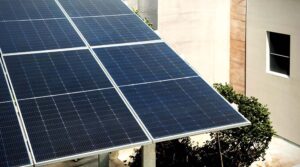


There was a time in human history when energy meant burning wood, coal, oil, gas, and more. We used to dig them out of the ground, set them on fire, and use the heat to power our homes and machines. On the other hand, renewable energy captures power straight from nature. Solar panels turn sunlight into electricity. Wind turbines spin with the breeze. Rivers generate hydropower. Even farm waste gets converted into usable energy through biomass.
Before we get into the details, here’s what renewable energy actually does for you:
- Lowers your electricity bills, sometimes drastically, once you start generating your own power
- Reduces dependence on fuel imports, which means the country, and your wallet, stay less exposed to global price shocks
- Cuts down air pollution, since there’s no burning involved
- Gives you a power source that doesn’t run out or get costlier every year, unlike coal, oil, or gas
In this blog, we are going to discuss each aspect of renewable energy, its advantages, how it is the future of India, and how SolarSquare is contributing towards this. In addition, you will learn more about the types of renewable energy that provide a cleaner environment and make us independent of fuel imports.
What Is Renewable Energy?
Renewable energy is the power generated from natural sources that don’t run out. The sun rises every day. Wind blows across the coast. Rivers keep flowing. Plants keep growing. Unlike coal, oil, or natural gas, these renewable energy resources replenish naturally, which is exactly why they’re called “renewable.”
Unlike renewable forms of energy, fossil fuels work differently. They took millions of years to form underground, and once we burn through them, they’re gone. Every year, extraction gets harder, deeper, and more expensive. A renewable source of energy sidesteps this problem entirely. It draws power directly from natural cycles that repeat, day after day, season after season.
Renewable energy is not only good for the environment, but also economically. In India, we are already facing a rise in global fuel prices or import shortages. Renewable energy is generating power from sources available right within its own borders.
On the other hand, fossil fuels are a bank account that only gets withdrawn from, never topped up. Renewable energy is more like a salary that keeps coming in, day after day, as long as the sun rises and the wind blows. One is a shrinking resource. The other renews itself on its own schedule, which is exactly why it’s the more sustainable long-term choice for a country with India’s population and growing energy needs.
Types of Renewable Energy
India has no shortage of renewable energy resources. Sunlight, wind, water, even the heat inside the earth- all of it can be turned into clean power. Each source works a little differently, and each fits a different kind of place, without burning anything up. Here’s a look at the main types you’ll find across India.
Solar Power
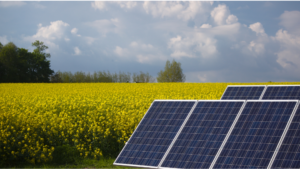
Solar power comes straight from sunlight. When that sunlight hits a photovoltaic panel, it gets converted into electricity you can actually use. You only need some rooftop space and a bit of sun, which is why it works just as well for a single home as it does for a large business. It’s also the fastest-growing renewable energy source in the country right now, especially in cities and the towns around them.
A question that comes up a lot is: Is solar energy renewable? Yes, it is. Sunlight isn’t something we’re running out of. It shows up every single day and will keep doing so for billions of years. That’s the key difference between solar and fossil fuels. Coal and oil are limited, buried resources that took millions of years to form. Sunlight just keeps coming, free and endless.
Wind power
Wind power is the simplest renewable energy. Here, turbines catch moving air and turn it into electricity. It works best where the wind blows steadily, like in coastal Gujarat, Tamil Nadu, and parts of Rajasthan. The best part of wind power is that it only light breeze for production to start. Wind power is not built for small homes or businesses. It’s built big and can withstand wind up to a full storm. These can power the entire grid rather than single homes.
Hydropower
Hydropower is a form of energy that comes from water, flowing or falling, usually through a dam. India has leaned on this one for decades, especially in states blessed with big rivers and mountains. It is reliable and can generate serious amounts of power. The only limitation is it depends on specific geography, as the generation is based on water availability.
Biomass Energy
Biomass energy is a form of energy that comes from plants, waste, crop leftovers, and animal waste. These wastes or feedstocks are burned for heat to generate electricity or converted into liquid biofuel or biogas. Biomass energy is a low-carbon alternative to fossil fuels.
It’s a natural fit for India’s farming states. It gives farmers a real alternative to burning crop residue in the open, which is one of the bigger reasons North India chokes on smog every winter.
Geothermal Energy
Geothermal energy comes from the Greek words ‘Geo’ meaning earth and ‘Thermal’ meaning heat. The energy that comes from heat deep inside the Earth is known as geothermal energy. India’s still early on this one, but places with natural hot springs and the right geology hold real long-term promise.
Put all of these together, and you get something stronger than any single source alone. No one type has to do all the heavy lifting. Solar covers rooftops and open land. Wind covers the coast. Hydropower leans on our rivers. Biomass puts farm waste to good use instead of letting it go up in smoke. Each one fills a gap the others can’t. That’s really the whole point. Now, let’s talk about why any of these matters to you.
Top 10 Advantages of Renewable Energy
Renewable forms of energy have the potential to lower the electricity bill, cut pollution, reduce dependence on energy imports, and much more. There are various reasons why you must switch to renewable energy from traditional forms of energy. Here we have discussed the top 10 benefits of renewable energy below:
It Never Runs Out
All traditional forms of energy generation, including coal, gas, oil, and more, are limited. We need to dig enough, and eventually there’s nothing left. Unlike fossil fuels, renewable energy does not have this problem. The sun keeps rising. The wind keeps blowing. Rivers keep flowing. These things are and will remain in abundance. In addition, due to the limitations of these fossil fuels, fuel prices are high, and India needs to import a huge chunk. Renewable energy needs no imports and comes free of cost.
It Cuts Pollution, Not Just Carbon
Renewable energy generation supports lowering greenhouse gas emissions. Burning coal doesn’t just push out carbon dioxide. It releases sulphur dioxide, nitrogen oxides, and tiny particles that stay in the air and make thick winter smog. Solar and wind don’t burn anything. No smoke, no soot, nothing toxic drifting into your lungs. One rooftop solar system might look small on its own, but multiply it across a whole neighbourhood, and you start easing the load on nearby coal plants. Less demand, less strain, cleaner air over time.
It Brings Down Electricity Bills
Once you install an on-grid solar system, sunlight costs nothing. You do not need to worry about the monthly fuel bill and the rise in prices. A well-built rooftop solar system from reputed brands like SolarSquare can cut your electricity bill by 70-90%. Most homeowners can recover their investment in just 4 to 6 years.
In addition to this, net metering can make this even better. On days your panels make more power than you use, the extra flows back into the grid, and you get credited for it. Later, when you need more power than you’re generating, those credits come in. Almost nothing goes to waste.
It Creates Local Jobs
The renewable sector in India is providing more jobs than many other sectors and paying above-average wages. These sectors have jobs in profiles like installation crews, technicians, engineers, maintenance teams, and more. Unlike coal plants installed in one location, solar and wind projects are emerging as new opportunities in cities, small towns, and villages.
It Reduces India’s Dependence on Energy Imports
India brings in more than 80% of its crude oil from abroad, plus a good chunk of its coal. Every rupee spent on that is leaving the country. It leaves us exposed to global politics and price swings we can’t control. Renewable energy, on the other hand, flips that. Sunlight and wind don’t need to be shipped in on a tanker. Every unit generated here, on Indian soil, is a small step toward not needing anyone else to keep our lights on.
Affordable
Renewable energy has become affordable compared to ten years ago, when solar felt like something only the wealthy could afford. Using renewable energy can not only save you money on maintenance costs, but also on operating costs. We don’t need to refuel again and again to use the technology that works through the sun, wind, steam, or natural resources.
It Works at Every Scale
Renewable energy, especially when it comes to solar, can be installed in a single home or a factory and can go bigger. A village with unreliable grid power can build its own solar microgrid, and a state can build a solar park covering thousands of acres. On the other hand, coal and nuclear plants need huge infrastructure and years just to get started. Solar can start small and grow. You don’t need to wait for the government to bring power to your street. You can just start with your own roof.
Solves the waste problem
If we talk about biomass energy, it generates energy through the use of organic products like vegetable oil, corn, soybean byproducts, algae, and more. Generating electricity through waste reduces the amount of waste that goes to landfills. This can solve the waste problem and lower carbon emissions and environmental contamination.
Supports good health
Coal plants release a lot of nasty stuff: carbon dioxide, nitrous oxide, plus toxins like mercury, lead, and sulphur dioxide. Breathing the toxic air or drinking that contaminated water over time can seriously mess with your health, sometimes fatally. Switching to renewable energy is one of the simplest ways to push back against that. It’s just so much easier on our air and water.
It Future-Proofs Your Energy Costs
The price of fossil fuels fluctuates and depends on various factors like war, shipping delays, and more. If we take the example of solar power, it does not work that way. Once it’s installed, your main energy cost is basically locked in for the next 25 years. No surprises, no chasing rising tariffs.
Why Clean Power Is the Future of India
India’s need for power is never going to slow down. The need for power in homes, factories, and businesses will never stop. But the truth is, coal and other forms of fossil fuels cannot handle the required power alone. Also, these resources are costing us more, both financially and environmentally.
Clean energy is not only inexpensive but also solves a lot of problems. By using renewable energy, we are not dependent on fuels from other countries. It is helping to reduce pollution and clear up the smog that fills our cities every winter. With time, renewable resources are not going to run out, and hence cost nothing. In addition, it has the potential to create jobs in town in various profiles.
There is one more thing that matters the most. Clean energy puts the power, quite literally, back in your hands. You don’t have to wait around for the government to build something near you. You can generate your own electricity, right there on your roof, starting today.
Every generation gets one moment that changes everything: electricity, then the internet, and now, it’s clean energy. And honestly, it’s moving faster than most people expect, simply because it makes sense for your wallet and for the planet.
Limitations of Renewable Energy
Let’s be honest, renewable energy comes with some limitations. We must be aware of them before we jump in.
Renewable energies, including solar and wind, both need the weather to cooperate. If there is no sunlight or wind, then they are not going to generate any electricity. Although using a battery can help you with this, it adds to your bill upfront.
In addition, the resources are free, but it does require a setup to generate any form of energy, which is not free, and you’ll need to put money down before the savings start rolling in. Space can be a limitation too, especially for wind farms and hydro projects. They need a lot of land or a river close by, and not every place has that.
But here’s the thing. None of this takes away from why renewable energy is worth it. It’s just a few honest trade-offs, and they’re shrinking every year as the technology keeps getting better and cheaper. So yes, it’s not flawless, but it’s still one of the smartest long-term decisions you can make for your home.
Conclusion
Renewable energy is not just good for the planet. It is good for your wallet, your health, and your freedom from an unpredictable power grid. Solar, wind, hydro, and biomass are already changing how India powers itself, and this shift is only picking up speed.
The best part is you don’t need to wait for this change to reach you. You can be part of it right now, starting with your own roof.
Knowing why renewable energy matters is one thing; switching to it is another. That is where the right partner makes all the difference.
At SolarSquare, we’re not just selling panels. We’re helping everyday Indian families take real ownership of their power, one rooftop at a time. SolarSquare is India’s #1 home solar company, trusted by over 4,500 happy customers with a Google rating of 4.8+. We have solarized over 40,000 homes and delivered a subsidy of over ₹250 Cr.
We use panels from the best solar panel brands. These panels are ALMM-certified, DCR-compliant panels, backed by real manufacturer warranties and our own long-term service support. Our systems are built to hold up through every season, with solutions like the WindPro Mount™ for wind resistance and GoodZero’s 5*year savings guarantee, so you’re covered either way.
*Please note that since June 2026, we offer only TopCon panels in Uttar Pradesh and Nagpur, backed by a 4-Year GoodZero Savings Guarantee with a money-back promise. All other terms and benefits of the GoodZero plan remain the same.
For all other states except Uttar Pradesh and Nagpur, our 5-Year GoodZero Savings Guarantee with a money-back promise continues to be available as of now.
Start your solar journey today with SolarSquare tailored to your home and energy needs. Book your free consultation now and take the first step towards guaranteed electricity generation and long-term savings!
Frequently Asked Questions
Is solar energy renewable or non-renewable?
Solar energy is about as renewable as it gets. Sunlight hits the photovoltaic cells on a panel, and that light gets turned into electricity you can actually use, whether that’s powering your home, running a business, or supporting bigger industrial setups. And here’s the best part. Unlike coal or oil, sunlight doesn’t cost anything, it never runs out, and it doesn’t hurt the planet while it’s at it.
What are 5 renewable sources of energy?
India has plenty of clean options to power homes. Solar comes from sunlight. Wind comes from moving air caught by turbines. Hydropower comes from flowing rivers and water. Biomass turns farm waste into usable energy. And geothermal taps into heat deep inside the earth. Together, these five keep the lights on without burning anything up.
Which renewable source is best for homeowners in India?
Solar energy is the best source of renewable energy that can be opted for by homeowners. It needs the least space, the installation is straightforward, and the savings show up faster than wind, hydro, or biomass, which really only make sense at a much bigger scale.
Does renewable energy really reduce pollution in a meaningful way?
Yes, renewable energy can reduce pollution on a huge scale. Every unit from solar or wind is one less unit that had to come from burning coal. Renewable energy does not emit any harmful gases into the environment. If this renewable energy is used by millions of homes, we can see a significant positive change in pollution.
Is renewable energy expensive to switch to?
Switching to renewable energy may look expensive on day one, but that’s not the full picture. Take solar, for instance. Yes, there’s an upfront cost, but government subsidies bring that down significantly, and the system starts paying for itself through lower electricity bills almost right away. Most homeowners recover their investment well within 3-4 years, and after that, it’s free power for decades.
Can renewable energy fully replace fossil fuels in India?
We’re not there yet, but the direction is pretty clear. India is adding renewable capacity faster than ever, and solar alone is expected to carry a huge share of that load in the coming years. It won’t happen overnight, but every rooftop that switches, every farm that adopts solar, and every home that stops depending on the grid brings that day a little closer.